
Products
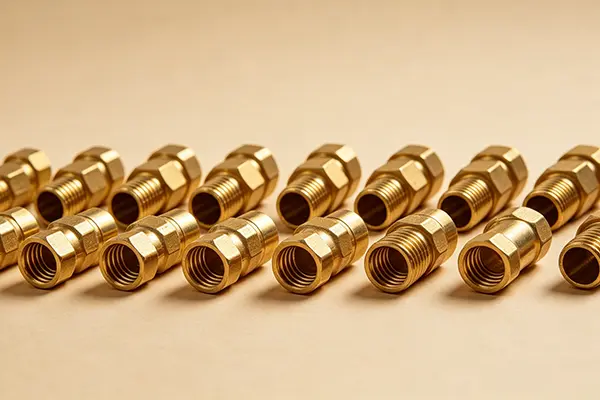
Our comprehensive product portfolio includes a wide range of brass rods (including low-lead and lead-free grades), brass fittings, and pipe components, engineered for exceptional mechanical strength, corrosion resistance, and machinability across plumbing, HVAC, automotive, and industrial applications.
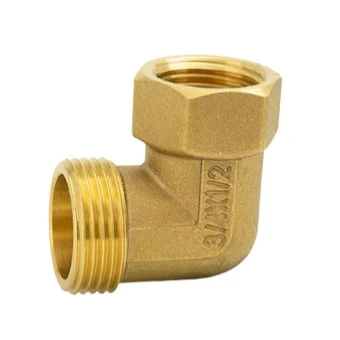
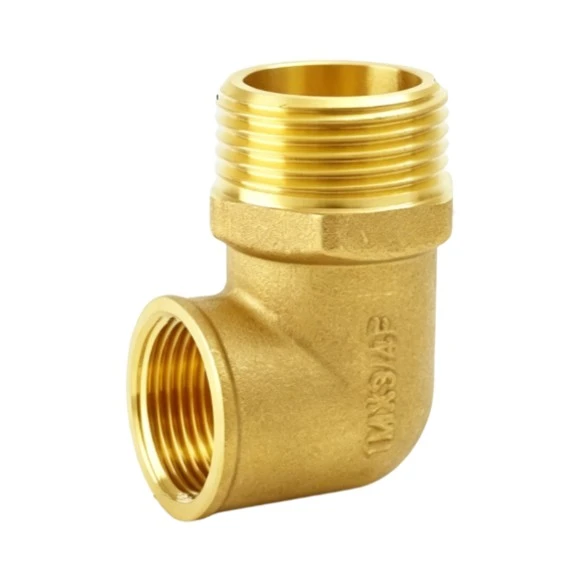
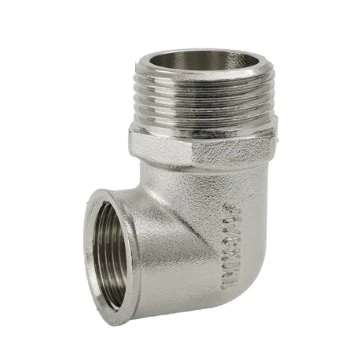
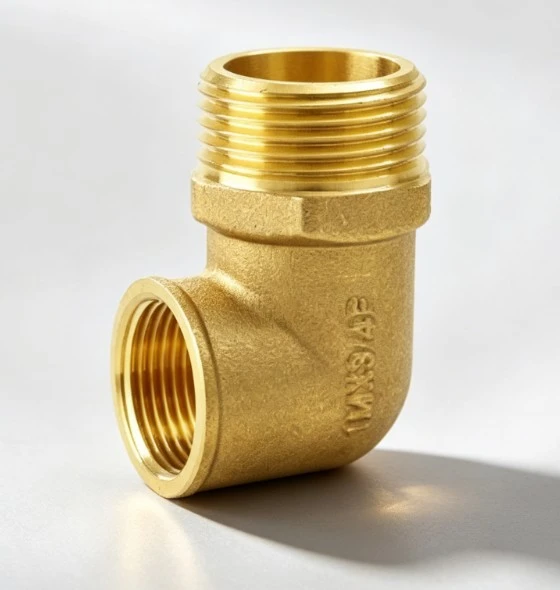
Brass Male-Female Thread Reducer Connector
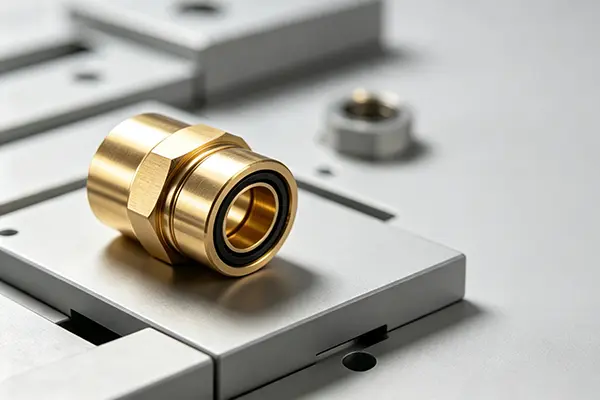
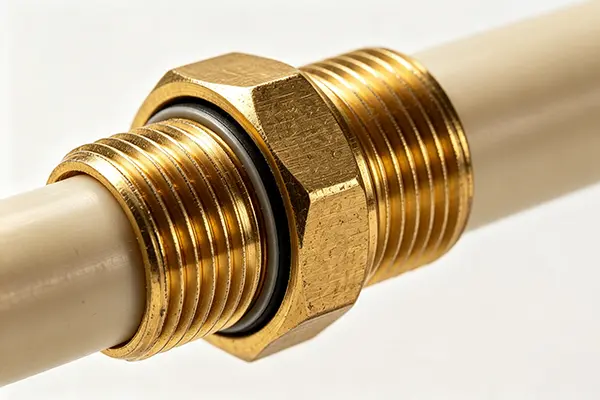
The NINGXING Brass Male-Female Thread Reducer Connector is designed to connect threaded pipes or components with different nominal sizes through one male thread and one female thread. Made from forged brass and precision-machined by CNC equipment, it provides accurate thread engagement, reliable sealing, and good resistance to corrosion and pressure. Available in BSP, NPT, PT, and other thread standards, it is suitable for water, oil, air, gas, HVAC, heating, and general fluid piping systems.
The Brass Male-Female Thread Reducer Connector uses a male-to-female threaded configuration to solve size mismatch between two threaded connection points. One end can connect to a larger or smaller female port, while the internal thread accepts the corresponding male pipe or fitting.
The compact hexagonal body provides a practical wrenching surface during installation and removal. Depending on the application, customers can select different nominal sizes, thread standards, surface finishes, and thread lengths.
The fitting is manufactured from brass, providing good mechanical strength, corrosion resistance, and machinability for general low- and medium-pressure piping applications.
Material and Machining
NINGXING controls the manufacturing process from brass material selection to finished-product inspection.
1. Forged Brass Body
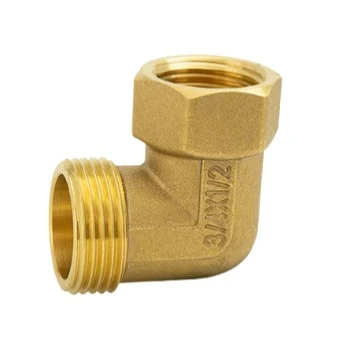
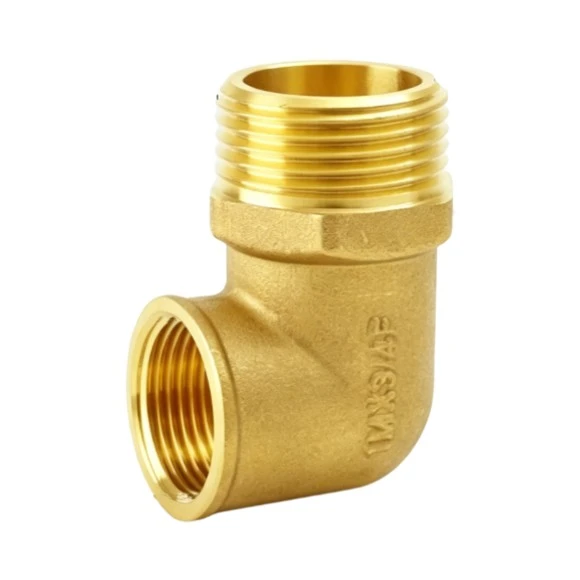
The main body can be produced from H59 or equivalent brass material. Forging creates a relatively dense metal structure and reduces the risk of internal porosity associated with conventional casting. This provides a suitable mechanical base for threaded pipe connections.
2. CNC Thread Processing
CNC machining is used for the internal and external threads. Controlled machining helps maintain consistent thread profiles, dimensions, and surface finish, reducing problems such as cross-threading, loose engagement, and difficult assembly.
The available thread standards include BSP, BSPT, BSPP/G, NPT, PT, and PG, depending on the required specification.
3. Surface Options
Standard finishes include natural brass and polished brass. Chrome or nickel plating can also be specified for applications requiring additional surface protection or a different appearance.
Product Testing
For B2B buyers, dimensional consistency and connection reliability are important when purchasing threaded fittings in batches. NINGXING therefore applies inspection procedures to key production characteristics.
1. Thread Inspection
Thread dimensions and profiles are checked according to the specified thread standard. Gauges can be used to verify thread compatibility and ensure that mating components can be assembled correctly.
2. Pressure Testing
Selected products can undergo water pressure or sealing tests according to the customer's application and specification. The standard product is rated up to 1.6 MPa (16 bar), while the actual allowable pressure depends on size, thread configuration, material, and operating conditions.
3. Appearance Inspection
Finished fittings are checked for visible defects, machining quality, thread damage, and surface treatment consistency before packing.
NINGXING operates under an ISO 9001:2015 quality management system. Products are also available with CE and RoHS compliance according to the applicable product configuration and market requirements.
Application Selection
The Brass Male-Female Thread Reducer Connector is mainly selected when a piping system has two threaded connection points with different sizes. Its typical applications include:
1. Residential Plumbing
During renovation projects, existing pipes may use a different thread size from newly installed fixtures. For example, a new smart toilet may require a 1/2-inch water inlet while the existing pipe uses a 3/4-inch connection. The fitting allows the two different sizes to be connected without replacing an entire section of pipe.
2. HVAC and Heating
Heating equipment, radiators, valves, pumps, and HVAC components may have different port sizes. The reducer fitting can be used to adapt threaded connections while maintaining a compact installation layout.
3. Industrial Fluid Lines
In compressed-air lines, equipment connections, gas-control systems, and general industrial piping, threaded size transitions are frequently required. Brass provides good machinability and corrosion resistance for many water, air, oil, and general fluid applications.
4. Solar Water Heating
Solar water-heating systems often contain components with different connection sizes. A brass threaded reducer can be used to adapt between equipment ports and existing water piping when the pressure and temperature ratings are suitable.
Customer Cases
Case 1: Residential Plumbing Renovation
A residential renovation project required a transition between a 3/4-inch main water connection and a 1/2-inch fixture inlet. Instead of replacing the existing pipe section, the installer used a brass male-to-female reducer to complete the connection. The threaded design simplified installation and reduced modification work.
Case 2: HVAC System Modification
A commercial HVAC contractor needed to connect equipment with a different threaded port size from the existing pipeline. A DN40 brass reducer was selected to adapt the connection within the available installation space. The compact structure helped avoid additional pipe modification.
Case 3: Industrial Gas Piping
A municipal gas-piping project required threaded size transitions between different sections of the system. The engineering team selected brass threaded fittings with matching thread standards and verified the sealing performance before commissioning. Correct thread selection and pressure testing were used to reduce the risk of leakage.
Product Comparison
For buyers selecting threaded reducers, the material, connection structure, and thread compatibility should be considered together.
| Item | Brass Male-Female Reducer | Brass Female-Female Reducer | Brass Male-Male Reducer | Stainless Steel Reducer |
|---|---|---|---|---|
| Thread | Male + Female | Female + Female | Male + Male | Various |
| Custom Options | Size, thread, finish | Size, thread, finish | Size, thread, finish | Size and thread options |
The male-female configuration is particularly useful when the existing equipment and pipeline have opposite thread genders and different nominal sizes. Buyers should confirm both thread gender and thread standard before ordering.
Dimensions and Thread Options
The following dimensions are reference values for common G-thread sizes. Actual dimensions may vary according to the product design and applicable standard.
Technical Specifications
| Specification | Details |
|---|---|
| Material | H59 Brass or equivalent brass |
| Connection | Male Thread + Female Thread |
| Thread Standards | BSP, BSPT, BSPP/G, NPT, PT, PG |
| Working Pressure | ≤1.6 MPa (16 bar), depending on specification |
| Working Temperature | Approx. -20℃ to 120℃, depending on material and application |
| Applicable Media | Water, air, oil, and other compatible fluids |
| Surface Finish | Natural Brass, Polished, Nickel-Plated, Chrome-Plated |
| Customization | Thread size, thread length, surface finish, logo, and packaging |
| Quality System | ISO 9001:2015 |
| Certifications | CE, RoHS |
Installation Considerations
Correct installation is important for preventing thread damage and leakage.
1. Confirm Thread Type
NPT and BSPT should not be treated as interchangeable. NPT uses a 60° thread angle, while BSP threads generally use a 55° profile. Before installation, confirm the thread standard of both mating components.
2. Use Suitable Sealant
For tapered threaded connections, apply an appropriate PTFE tape or thread sealant. PTFE tape should be wrapped in the same direction as the tightening direction to avoid loosening during assembly.
3. Avoid Over-Tightening
First tighten the fitting by hand and then use a suitable wrench for final tightening. Excessive torque may damage the brass body or threads and can negatively affect sealing performance.
FAQ
Q1: What is the main function of this fitting?
A: It connects two threaded ports with different sizes while providing one male-threaded end and one female-threaded end. This makes it suitable for adapting existing piping to valves, equipment, fixtures, and other threaded components.
Q2: Can NPT and BSPT threads be connected together?
A: They should not be directly mixed. NPT and BSPT have different thread profiles and dimensional standards. The correct thread type should be confirmed before ordering.
Q3: What pressure can the fitting withstand?
A: Standard products are generally rated up to 1.6 MPa (16 bar). The actual pressure rating depends on the fitting size, material, thread type, temperature, and application. Higher-pressure versions can be discussed with NINGXING before production.
Q4: What temperature can it handle?
A: The reference operating range is approximately -20℃ to 120℃. Continuous operation at the upper temperature limit should be evaluated according to the specific material, pressure, medium, and sealing method.
Q5: Can the fitting be customized?
A: Yes. NINGXING supports OEM/ODM production, including different thread standards, thread lengths, dimensions, surface treatments, logos, and packaging.
Quality and Supply
NINGXING provides brass threaded fittings for distributors, plumbing suppliers, engineering contractors, and equipment manufacturers. Production is managed under an ISO 9001:2015 quality system, with CE and RoHS compliance available according to the applicable product requirements.
For bulk purchasing, buyers can specify thread standards, dimensions, surface treatment, packaging, and OEM requirements in advance. Samples can be arranged for dimensional and installation verification before larger production orders.
Hot Tags: Brass Male-Female Thread Reducer Connector, China, Manufacturer, Supplier, Factory
Related Category
Send Inquiry
Contact Info
-
Address
No. 478, Daijia North Road, Industrial Zone, Changhe Town, Cixi City, Zhejiang Province, China
-
Tel
-
Email
Need brass rods or custom fittings? Send your drawings or samples today. ISO9001 certified, RoHS & PED compliant. Get a fast, professional quote from our expert team. Inquire now!