
Products
Our comprehensive product portfolio includes a wide range of brass rods (including low-lead and lead-free grades), brass fittings, and pipe components, engineered for exceptional mechanical strength, corrosion resistance, and machinability across plumbing, HVAC, automotive, and industrial applications.
Source dependable brass pipe fittings at factory price for bulk orders
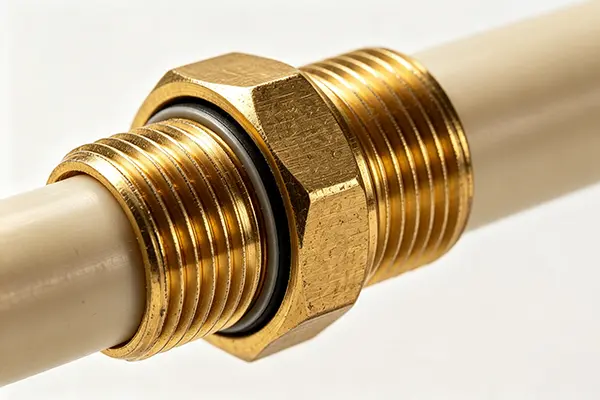
NINGXING Brass Pipe Fittings are manufactured for plumbing, sanitary, HVAC, refrigeration, hydraulic, industrial, gas, fire protection and marine applications. The product range includes threaded fittings, compression fittings, adapters, elbows, tees, unions and other connection components. Different structures, dimensions and connection methods can be selected according to pipeline layout, working pressure and installation requirements.
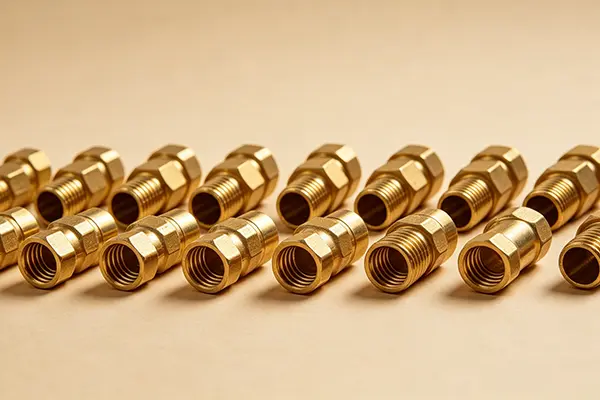
NINGXING provides more than 500 standard configurations covering common sizes and connection types. Non-standard dimensions, thread specifications and structural requirements can also be developed according to customer drawings, samples or technical specifications.
Available configurations include straight connectors, elbows, tees, unions, adapters and other fittings designed for joining pipes, valves and equipment. The connection structure can be matched to different installation conditions and pipeline systems.
Manufacturing Process
Hot Forged Components
Hot forging is suitable for producing brass fittings that require good mechanical strength, dimensional stability and reliable pressure resistance. Brass is heated to a controlled temperature and formed through precision dies before subsequent machining. This process helps create dense metal structures and consistent component geometry.
Precision Cast Components
Precision casting can be used for brass components with relatively complex geometries or specific structural requirements. After casting, machining operations are performed on critical connection areas to achieve the required dimensions, thread profiles and sealing surfaces.
Connection Standards
BSP and NPT Threads
Different markets use different pipe thread systems. NINGXING supports common BSP and NPT thread configurations and can manufacture connection components according to applicable customer specifications. Thread dimensions and profiles are controlled during machining to ensure compatibility with corresponding pipes and components.
Regional Specification Matching
Depending on the destination market, fittings can be produced according to applicable international or regional standards, including GB/T 14626, ANSI/ASME B16.15, BS 864-2 and DIN 1688. Thread requirements can also follow ISO 7-1 or ANSI B1.20.1 where specified by the customer.
Brass Material Selection
Common Brass Grades
Brass is a copper-zinc alloy that combines machinability, corrosion resistance and mechanical performance. Common materials used by NINGXING include HPb59-1, H62 and CW617N. Material selection can be adjusted according to pressure, temperature, machining requirements and application environment.
Dezincification-Resistant Options
For applications where brass may be exposed to conditions that increase the risk of dezincification, dezincification-resistant materials such as CZ132 can be considered. The appropriate material should be selected according to water quality, operating environment and applicable product standards.
Thread and Sealing Design
Machined Thread Accuracy
Thread quality directly affects installation compatibility and connection reliability. NINGXING uses precision machining processes to control thread dimensions, profile accuracy and surface condition according to specified thread standards.
Different Sealing Methods
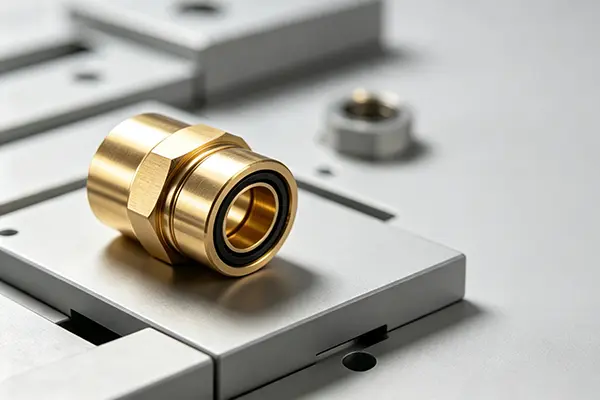
Depending on the fitting structure, sealing may be achieved through tapered threads, flat sealing surfaces, gaskets, O-rings or compression structures. Selecting the correct sealing method helps reduce leakage risks and ensures compatibility with the connected pipe system.
Surface Treatment Options
Functional Protective Finishes
Surface treatment options include polishing, nickel plating, chrome plating, hot-dip galvanizing and passivation. The selected treatment can improve corrosion resistance, surface protection or service durability according to the intended operating environment.
Appearance and Application Requirements
For sanitary and visible plumbing applications, surface appearance and finish consistency can be important purchasing requirements. For industrial applications, surface treatment is generally selected according to corrosion exposure, installation environment and required service conditions.
Performance and Inspection
Pressure and Mechanical Requirements
Depending on the structure and connection method, NINGXING fittings can be designed for different pressure requirements. Typical threaded fittings may be used within pressure ranges of approximately 1.6–2.5 MPa, while certain compression structures can reach up to 3.0 MPa when designed and tested for the specified conditions.
Leakage and Dimensional Inspection
Quality control focuses on critical dimensions, thread accuracy, sealing surfaces, appearance and leakage performance. Inspection procedures help verify that manufactured fittings meet the agreed drawings, specifications and applicable standards before shipment.
Application Fields
Plumbing and Sanitary Connections
Brass fittings are widely used in domestic water supply, plumbing and sanitary systems because brass provides a practical combination of corrosion resistance, machinability and connection reliability. Common applications include pipe connections, water supply systems, faucets, valves and sanitary equipment.
HVAC and Refrigeration Systems
Fittings can be used for connecting pipes and components in heating, ventilation, air-conditioning and refrigeration systems. Connection type, material grade and sealing structure can be selected according to the working medium, pressure and temperature conditions.
Hydraulic and Industrial Systems
Industrial piping and hydraulic systems may require fittings with controlled dimensions, reliable threads and stable mechanical performance. NINGXING can manufacture components for equipment connections, fluid transfer systems and industrial pipeline assemblies.
Fire Protection and Marine Systems
Specific brass connection components can also be used in fire protection, marine and other specialized pipeline systems where corrosion resistance and dependable mechanical connections are required. Product specifications should be matched to the applicable system standards and operating conditions.
Custom Manufacturing Service
Standard and Non-Standard Parts
NINGXING supports both standard catalog configurations and customized components. Customers can provide drawings, samples, dimensional specifications, thread requirements or application information for product development and manufacturing evaluation.
Tooling and Sample Development
For customized forged or cast components, tooling development can typically be completed within 7–15 days depending on product complexity. Sample production can be completed in as fast as 5 working days for suitable projects, allowing customers to verify dimensions and assembly requirements before mass production.
Quality Certification
Production Management
NINGXING operates with controlled manufacturing and inspection procedures covering material selection, forming, machining, surface treatment and final inspection. Quality management follows an ISO9001:2015-based system to support consistent production quality and traceability.
International Market Requirements
For export projects, product specifications can be prepared according to the standards and technical requirements of the target market. CE and RoHS compliance can be provided for applicable products and projects when required by the customer or destination market.
FAQ
How Do Brass Fittings Compare with Stainless Steel and Cast Iron?
Brass generally offers good machinability, corrosion resistance and relatively easy installation, making it suitable for many plumbing and fluid connection applications. Stainless steel may be selected for environments requiring higher corrosion resistance or specific mechanical properties, while cast iron is often used for larger or heavier-duty piping applications. The appropriate material depends on pressure, temperature, medium, corrosion conditions and applicable standards.
Which Sealing Method Should Be Used for Threaded Connections?
The appropriate sealing method depends on the thread standard and fitting design. Tapered threaded connections may use suitable thread sealants, while fittings with flat sealing faces or O-ring structures rely on the corresponding gasket or sealing element. The sealing method should always match the fitting design and installation specification.
Why Does the Brass Surface Sometimes Become Darker?
Brass can naturally change in surface appearance when exposed to oxygen, moisture, chemicals or other environmental conditions. Surface treatments such as nickel plating, chrome plating or polishing can help provide a more stable appearance and additional surface protection depending on the application.
NINGXING combines brass material selection, forging and casting capabilities, precision machining, surface treatment and inspection to supply Brass Pipe Fittings for different international markets. With standard configurations and customized manufacturing support, the factory can develop products according to drawings, samples, connection standards and application requirements.
- View as
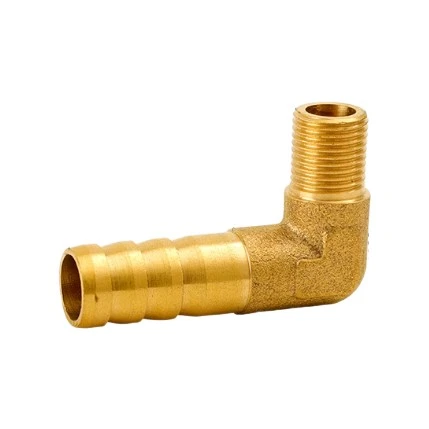
Brass L-Type Hose Barb Connector
The Brass L-Type Hose Barb Connector is a 90-degree brass fitting for connecting flexible hoses in compact installations. Its right-angle design helps route fluid or air lines around machinery, control cabinets, automotive components, cooling equipment, and other restricted areas while reducing sharp hose bending. Thread options include BSP/G, NPT, PT/BSPT, and metric configurations.
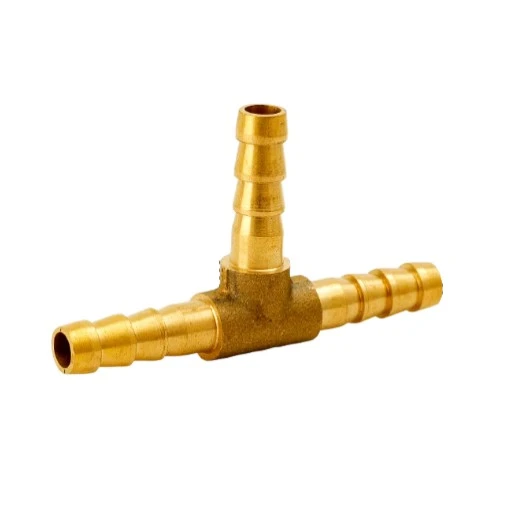
Brass T-Type Hose Barb Connector
NINGXING manufactures the Brass T-Type Hose Barb Connector for connecting three flexible hoses in a compact branch-line arrangement. Made from brass and precision machined, it provides corrosion resistance, dimensional stability, and reliable hose retention when used with suitable clamps. The T-shaped structure supports one-to-two flow distribution or two-to-one flow collection in water, air, fuel, oil, coolant, and compatible inert gas systems.
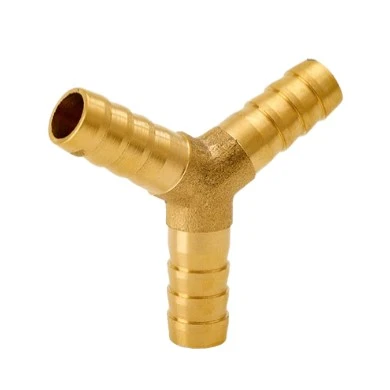
Brass Y-Type Hose Barb Connector
NINGXING manufactures the Brass Y-Type Hose Barb Connector from brass bar stock for splitting or combining flexible hoses. Its three barb outlets provide mechanical hose retention, while clamps can improve security in pressurized systems. Standard and custom sizes, thread specifications, surface finishes, logo marking, and packaging are available. Production is managed under ISO 9001:2015, with applicable CE and RoHS compliance.
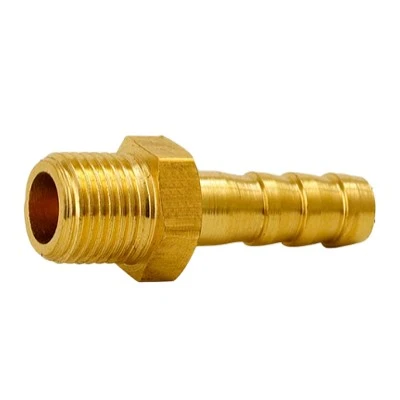
Brass Hose Barb Quick Connector
NINGXING Brass Hose Barb Quick Connector is designed for connecting flexible hoses with valves, pumps, tools, and equipment. Its brass body provides mechanical strength and corrosion resistance, while the barb section grips the hose inner wall to improve connection stability. The quick-connect structure allows faster assembly and disconnection than conventional threaded connections.
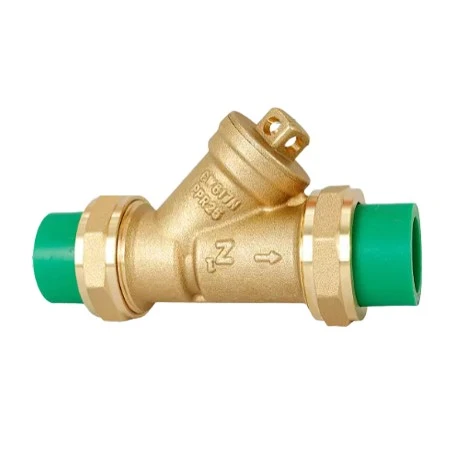
Brass Y-Type Filter Male Thread Connector
NINGXING Brass Y-Type Filter Male Thread Connector combines a threaded pipe connection with a removable stainless steel filter screen. Its forged brass body provides strength and dimensional stability, while the screen captures sand, rust, welding residue, scale, and other solid particles before they reach valves, meters, pumps, heat exchangers, or control equipment.
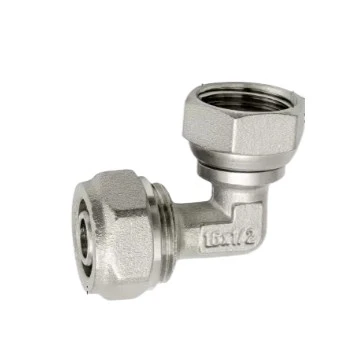
Electroplated Brass PEX-to-Female Thread Adapter
NINGXING Electroplated Brass PEX-to-Female Thread Adapter connects flexible PEX tubing with valves, faucets, manifolds, radiators, pumps, and other male-threaded equipment. Its forged brass body provides a rigid transition without soldering or brazing. The adapter is available for residential water supply, radiant-floor heating, hydronic systems, commercial plumbing, and selected gas applications subject to separate approval.
NINGXING is a professional Brass Pipe Fittings manufacturer and supplier in China. We warmly welcome you to wholesale high quality products at competitive price from our factory.