
News
Stay updated with our latest company announcements, industry insights, exhibition participation (including CIHS, Canton Fair, and ISH Frankfurt), and continuous advancements in manufacturing technology and eco-friendly material solutions.
What Makes a Brass Union Connector Essential for Reliable Piping Systems?
A reliable piping system depends on more than pipes and valves. The quality of its connection components also plays an important role in preventing leakage, simplifying maintenance, and ensuring long-term operational stability. A Brass Union Connector provides a detachable connection that allows two pipeline sections or equipment components to be connected and disconnected without rotating the entire pipe. This article explores its structure, working principles, material options, sealing designs, practical applications, and purchasing considerations. It also explains how choosing the right brass union fitting can help contractors, distributors, and equipment manufacturers improve installation efficiency and reduce maintenance costs.
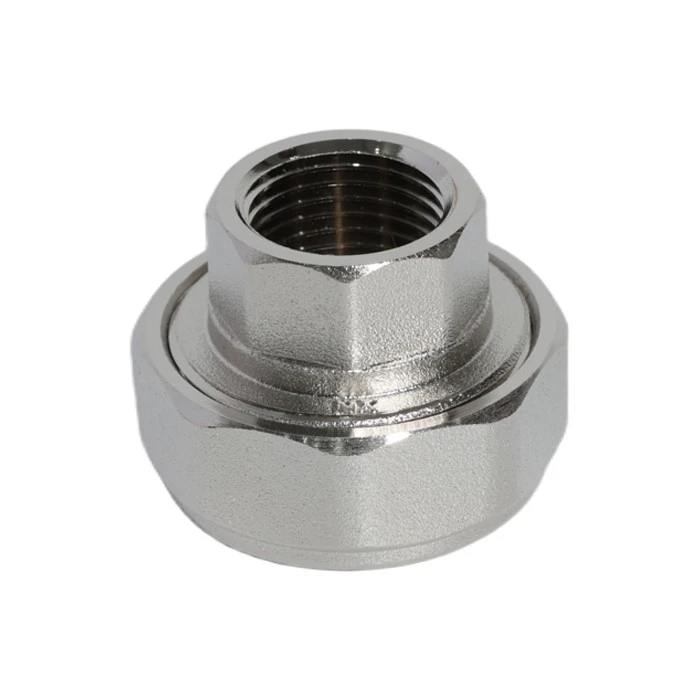
Table of Contents
- Understanding the Brass Union Connector
- How Does a Brass Union Connector Work?
- Main Types of Brass Union Connectors
- Why Is Brass a Suitable Material?
- Key Technical Factors to Consider
- Common Applications Across Different Industries
- How to Choose the Right Brass Union Connector
- Installation and Maintenance Recommendations
- Common Problems and Practical Solutions
- Why Work with a Professional Brass Fitting Manufacturer?
- Frequently Asked Questions
- Conclusion
1. Understanding the Brass Union Connector
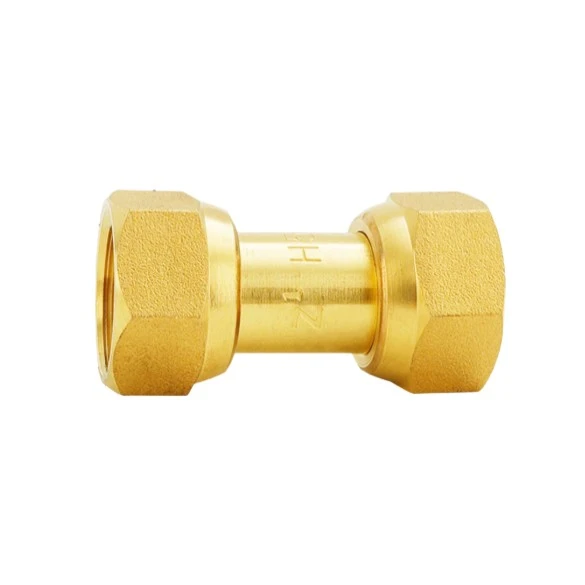
A Brass Union Connector is a detachable pipe fitting designed to join two sections of a piping system while allowing them to be separated whenever maintenance, inspection, or equipment replacement is necessary. It is widely used in plumbing, heating, water supply, industrial fluid transportation, and various mechanical installations.
Unlike a conventional threaded fitting, which may require rotating the connected pipe during installation or removal, a union connector uses a central union nut to secure the connection. This design makes it possible to disconnect two fixed pipeline sections without dismantling a large part of the system.
For installers and maintenance technicians, this difference is particularly important. Pumps, valves, water meters, filters, and other equipment often require periodic servicing. Without detachable connection points, replacing these components may involve cutting pipes, removing additional fittings, and performing extensive reinstallation work.
A brass union fitting helps address these challenges by providing a practical connection point that combines mechanical strength, convenient installation, and reliable sealing.
Key takeaway:
The main purpose of a brass union connector is not simply to join pipes. It is to make piping systems easier to install, maintain, upgrade, and repair without unnecessary disruption.
2. How Does a Brass Union Connector Work?
Understanding its structure helps explain why a union connector is useful in modern piping installations. A typical brass union consists of three primary components: two connection halves and a central union nut.
2.1 Main Structural Components
- Male connection end: Features external threads or another designated connection structure for joining a compatible pipe or fitting.
- Female connection end: Features internal threads or a corresponding mating surface that connects with another component.
- Central union nut: Holds the two connection halves together and applies the necessary compression to the sealing interface.
Depending on the product design, additional sealing elements such as gaskets, O-rings, or specially machined metal contact surfaces may be included.
2.2 Working Principle
When installing a brass union connector, the two connection ends are first aligned. The central nut is then tightened to bring the mating surfaces together. The resulting compression creates a secure mechanical connection and establishes the required sealing contact.
When equipment needs to be removed, technicians can loosen the union nut and separate the connection halves. The surrounding pipe sections can remain in position, reducing unnecessary movement and installation work.
2.3 Why This Structure Matters
In practical applications, the detachable structure provides several benefits:
- Reduces the need to rotate fixed pipes during installation.
- Allows equipment to be removed without cutting the pipeline.
- Provides convenient access to components requiring inspection.
- Helps reduce downtime during routine maintenance.
- Supports future equipment replacement and pipeline modifications.
3. Main Types of Brass Union Connectors
Different piping systems require different connection structures and sealing methods. Selecting an appropriate type is essential for achieving compatibility and dependable operation.
3.1 Threaded Brass Union Connector
Threaded union connectors use male and female threaded ends to connect pipes, valves, or mechanical equipment. They are commonly used in residential plumbing, water supply systems, and general mechanical installations.
Their threaded structure makes them suitable for applications where standardized connections and convenient disassembly are important.
3.2 Flat Seat Brass Union Connector
A flat seat union uses two flat mating surfaces, generally combined with a gasket or sealing ring. When the union nut is tightened, the sealing element is compressed between the surfaces to prevent fluid leakage.
This design is useful in water supply, heating, and equipment connections where repeated assembly and disassembly may be required. Replaceable sealing elements can also simplify maintenance.
3.3 Conical Seat Brass Union Connector
A conical seat union features tapered mating surfaces that create a seal through controlled metal-to-metal contact or a specified sealing interface. The angled surfaces help guide the two connection halves into position during assembly.
This structure is often considered for installations where positioning accuracy and connection stability are important. However, the sealing performance depends on correct machining, surface condition, and installation torque.
3.4 Male Thread and Female Thread Union Designs
Male and female thread configurations provide different connection possibilities according to the surrounding equipment interface.
- Male thread union: Uses external threads to connect with internally threaded components.
- Female thread union: Uses internal threads to connect with externally threaded components.
For PPR piping systems, brass male and female thread union products can also provide a transition between thermoplastic pipes and threaded plumbing equipment.
| Connector Type | Connection Feature | Typical Application |
|---|---|---|
| Threaded Union | Male and female threaded ends | General plumbing and mechanical systems |
| Flat Seat Union | Flat sealing surface with gasket | Water supply and heating systems |
| Conical Seat Union | Tapered sealing interface | Equipment connections requiring accurate positioning |
| Male Thread Union | External threaded connection | Female-threaded valves and equipment |
| Female Thread Union | Internal threaded connection | Male-threaded pipes and accessories |
4. Why Is Brass a Suitable Material?
Material selection directly affects the service life, mechanical performance, and compatibility of pipe fittings. Brass is widely used in plumbing components because it offers a combination of strength, machinability, corrosion resistance, and practical manufacturing characteristics.
4.1 Mechanical Strength and Durability
Brass provides good mechanical properties for many plumbing and fluid connection applications. Properly manufactured brass fittings can withstand the mechanical loads associated with normal installation and operation.
For applications involving frequent assembly, accurate machining and suitable material selection are particularly important to maintain thread quality and sealing surface integrity.
4.2 Corrosion Resistance
Brass generally offers good resistance to corrosion in many common water and low-corrosivity fluid environments. This makes it a practical material for plumbing fittings, heating accessories, and water-related equipment.
However, brass is not universally compatible with every fluid. Water chemistry, chloride concentration, temperature, and other operating conditions should be evaluated before selecting a material grade.
4.3 Excellent Machinability
Brass can be processed through forging, turning, drilling, threading, and other precision machining operations. These processes allow manufacturers to produce complex fitting structures with accurate dimensions and consistent connection interfaces.
4.4 Material Options for Different Requirements
Different brass grades offer different chemical compositions and mechanical characteristics. Choosing the correct grade should depend on the application, applicable standards, and customer requirements.
| Material | Characteristics | Selection Considerations |
|---|---|---|
| HPb59-1 Brass | Good machinability and processing performance | Suitable for specified brass fitting applications |
| CW617N Brass | Common European brass grade for forged plumbing components | Useful for applications requiring relevant European material specifications |
| Low-Lead Brass | Designed for applications with stricter lead-content requirements | Verify composition and applicable compliance documentation |
Manufacturers such as Cixi Ningxing Copper Industry Co., Ltd. offer brass material options including HPb59-1, CW617N, and low-lead brass solutions to address different product and application requirements.
Important purchasing tip:
Do not select a brass fitting based on material grade alone. Check its chemical composition, mechanical properties, applicable standards, and suitability for the actual working medium.
5. Key Technical Factors to Consider
Even a well-designed brass union connector may fail to perform properly if its dimensions, thread standards, sealing structure, or operating conditions do not match the piping system.
5.1 Thread Standards and Compatibility
Thread compatibility is one of the most important considerations when purchasing brass union fittings. Different countries and industries may use different thread specifications.
- BSP: British Standard Pipe threads, commonly used in many international plumbing and industrial markets.
- NPT: National Pipe Taper threads, widely used in North American piping applications.
- G Thread: A parallel pipe thread specification commonly associated with ISO 228.
These thread systems are not automatically interchangeable. Their thread angles, pitches, profiles, and sealing principles may differ. Buyers should confirm the exact thread designation rather than relying only on nominal pipe size.
5.2 Sealing Performance
Leak prevention is a primary requirement for any pipe connection. The sealing structure should match the working pressure, temperature, fluid characteristics, and maintenance frequency.
Flat seat connections typically rely on gaskets or sealing rings, while conical seat designs may use metal contact surfaces. The correct choice depends on the product specification and system requirements.
5.3 Working Pressure and Temperature
There is no single pressure or temperature rating suitable for every brass union connector. Actual operating limits depend on material, dimensions, wall thickness, sealing elements, connection structure, and manufacturing quality.
Before purchasing, request the manufacturer's rated working pressure and temperature information for the specific product configuration.
5.4 Dimensional Accuracy
Precise dimensions help ensure proper assembly and reduce installation difficulties. Important inspection points include:
- Thread diameter and pitch.
- Overall fitting dimensions.
- Wall thickness and structural consistency.
- Sealing surface flatness and finish.
- Nut dimensions and tightening compatibility.
5.5 Surface Treatment
Depending on the application and appearance requirements, brass union connectors may be supplied with different surface finishes. Surface treatment should be selected according to the intended environment and product specification.
6. Common Applications Across Different Industries
The detachable design of brass union connectors makes them useful in various piping and equipment systems. Their main value is providing accessible connection points wherever components may need future maintenance or replacement.
6.1 Residential Plumbing Systems
In residential water supply installations, brass unions may be used near water meters, filters, valves, water heaters, and pumps. These connection points make it easier to remove or replace equipment without disturbing the entire pipeline.
6.2 Heating and HVAC Systems
Heating equipment and HVAC installations often contain circulation pumps, control valves, and other components that require regular inspection. Brass union fittings can provide convenient detachable connections for these components.
When selecting fittings for heating applications, buyers should pay particular attention to operating temperature, pressure ratings, thread compatibility, and sealing materials.
6.3 Industrial Equipment Connections
Industrial fluid systems frequently connect fixed pipelines with removable machinery and auxiliary equipment. A brass union connector can help simplify equipment servicing and reduce the amount of piping that needs to be dismantled.
6.4 Water Treatment Systems
Water filtration and treatment equipment often requires periodic cartridge replacement, cleaning, and inspection. Union connections make it easier to separate filtration units and related accessories from the main pipeline.
6.5 Agricultural Irrigation Systems
In irrigation installations, pumps, filters, and control devices may need seasonal maintenance or replacement. Properly selected detachable fittings help technicians access these components more efficiently.
| Application | Typical Installation Point | Main Benefit |
|---|---|---|
| Residential Plumbing | Water meters, filters, heaters | Convenient equipment replacement |
| Heating and HVAC | Circulation pumps and valves | Simplified routine maintenance |
| Industrial Systems | Machinery and fluid equipment | Reduced dismantling work |
| Water Treatment | Filtration and purification units | Easy inspection and cleaning |
| Agricultural Irrigation | Pumps and filter assemblies | Convenient seasonal servicing |
7. How to Choose the Right Brass Union Connector
For contractors, plumbing distributors, wholesalers, and equipment manufacturers, choosing the correct brass union connector involves more than comparing unit prices. Product compatibility, manufacturing consistency, and long-term reliability should all be considered.
7.1 Identify the Actual Application
Start by determining where the fitting will be installed and what it needs to connect. A household water supply connection may have different requirements from an industrial circulation system.
Identify the working medium, expected operating conditions, installation environment, and maintenance frequency before selecting the product.
7.2 Confirm the Connection Specifications
Provide the supplier with accurate product dimensions and connection requirements. These should include nominal size, thread type, thread direction, and the required male or female configuration.
7.3 Select the Appropriate Brass Grade
Different projects may require different material compositions. If the application involves drinking water or specific regulatory markets, confirm the relevant material restrictions and obtain supporting test reports or compliance documents.
7.4 Evaluate Manufacturing Quality
A professional brass fitting manufacturer should be able to explain its manufacturing processes and quality inspection procedures. Forging quality, machining accuracy, thread consistency, and sealing surface condition all influence the final product.
7.5 Check Customization and Supply Capabilities
For OEM and wholesale purchasing, consider whether the supplier can accommodate customized dimensions, thread combinations, material requirements, and packaging specifications.
Buyer checklist:
- Confirm product size and connection configuration.
- Verify BSP, NPT, G thread, or other required standards.
- Check material grade and chemical composition.
- Confirm working pressure and temperature ratings.
- Review sealing design and replacement parts.
- Request dimensional drawings and inspection information.
- Evaluate production capacity and delivery arrangements.
- Clarify customization and quality assurance requirements.
8. Installation and Maintenance Recommendations
Correct installation is essential for achieving reliable sealing performance. Even a high-quality brass union connector can develop leakage or mechanical damage when installed incorrectly.
8.1 Inspect Components Before Installation
Check the fitting body, threads, nut, and sealing surfaces for visible damage, deformation, or contamination. Make sure the connector matches the pipe and equipment specifications.
8.2 Align the Connection Properly
Misalignment can create uneven stress on the connection surfaces and sealing elements. Position both halves correctly before tightening the union nut. Avoid using the nut to force incorrectly aligned pipes into position.
8.3 Use the Correct Sealing Method
Follow the manufacturer's instructions for the specific sealing design. Flat seat connections may require the correct gasket, while conical seat designs depend on the condition and geometry of the mating surfaces.
Thread sealant should only be applied where the thread design and manufacturer instructions require it. Do not assume that every union connection seals through its threads.
8.4 Avoid Excessive Tightening
Over-tightening may damage threads, deform sealing components, or create unnecessary mechanical stress. Use the recommended tightening method and torque specifications where provided.
8.5 Perform Regular Inspections
During scheduled maintenance, inspect union connections for leakage, corrosion, loose nuts, and worn sealing elements. Replace damaged gaskets or other components as necessary.
Before disassembly, always isolate the system, release pressure, and allow hot fluids or equipment to reach a safe condition.
9. Common Problems and Practical Solutions
Understanding common connection problems can help installers and maintenance teams identify the source of failure more efficiently.
| Common Problem | Possible Cause | Recommended Solution |
|---|---|---|
| Water leakage | Damaged gasket or incorrect sealing | Inspect and replace the sealing element |
| Difficulty tightening | Thread mismatch or misalignment | Verify specifications and realign components |
| Loose connection | Insufficient tightening or vibration | Check installation and tightening requirements |
| Thread damage | Cross-threading or excessive force | Replace damaged components and reinstall correctly |
| Corrosion | Unsuitable material for the fluid or environment | Review material compatibility |
| Repeated leakage | Damaged sealing surfaces or incorrect design | Inspect the mating surfaces and select a suitable fitting |
It is important to identify the underlying cause rather than simply tightening a leaking connection repeatedly. Persistent leakage may indicate incorrect thread selection, incompatible sealing structures, damaged components, or unsuitable operating conditions.
10. Why Work with a Professional Brass Fitting Manufacturer?
Choosing a reliable manufacturer is an important part of maintaining consistent product quality and a stable supply chain. For international distributors, plumbing wholesalers, and OEM customers, a professional supplier should offer more than a finished product.
10.1 Material and Processing Capabilities
Manufacturing quality starts with material selection and processing. Brass forging helps create the basic fitting structure, while precision machining produces the required dimensions, threads, and sealing interfaces.
Combining suitable forging processes with accurate machining and appropriate surface treatment helps manufacturers meet different application requirements.
10.2 Consistent Quality Inspection
Quality control should cover raw materials, production processes, dimensions, threads, and finished product appearance. Depending on the product specification, additional pressure or leakage testing may also be required.
10.3 Flexible Product Customization
Different markets and equipment manufacturers may require specific thread standards, dimensions, material grades, and product configurations. A capable supplier should be able to evaluate these requirements and provide suitable manufacturing solutions.
10.4 NINGXING Brass Connection Solutions
Cixi Ningxing Copper Industry Co., Ltd. is a professional manufacturer specializing in brass forging, precision machining, and surface treatment of plumbing components.
Under the NINGXING brand, the company provides brass connection products for residential, commercial, and industrial piping systems. Its product range includes brass union connectors, PPR quick connectors, brass thread inserts, brass nuts, brass pipe fittings, and ferrule fittings.
For different customer requirements, available material options include HPb59-1 forged brass, CW617N European standard brass, and low-lead brass options for applications with stricter material requirements.
The company also supports different thread configurations, including BSP, NPT, and G threads, helping customers address a range of international connection requirements.
With manufacturing capabilities covering forging, precision machining, and surface treatment, NINGXING focuses on providing practical brass fitting solutions for global customers.
For distributors, importers, and equipment manufacturers looking for a brass union connector supplier in China, discussing technical specifications and application requirements directly with the manufacturer is a practical way to identify suitable products.
11. Frequently Asked Questions
Q1: What is the main purpose of a brass union connector?
A brass union connector joins two pipeline sections or equipment components while allowing them to be disconnected without rotating the connected pipes. It is particularly useful at locations where pumps, valves, filters, or other components may require maintenance or replacement.
Q2: What is the difference between a union connector and a standard pipe fitting?
A standard threaded fitting generally requires the connected components to rotate during installation or removal. A union connector uses a central nut to tighten or release the connection, making it more convenient for fixed piping systems and maintenance applications.
Q3: Are brass union connectors suitable for hot water systems?
Brass union connectors can be used in many hot water and heating systems. However, the specific material grade, sealing element, working pressure, and temperature rating must be suitable for the intended operating conditions.
Q4: Which thread standards are available for brass union connectors?
Common options include BSP, NPT, and G threads. Availability depends on the manufacturer and product configuration. Buyers should confirm the exact thread specification to avoid connection incompatibility.
Q5: Can brass union connectors be customized?
Yes. Depending on manufacturing capabilities, customization may include product dimensions, thread configurations, brass material grades, sealing structures, and other technical requirements. Customers should provide drawings or detailed specifications when requesting customized products.
Q6: Can a brass union connector be reused after disassembly?
Generally, yes, provided that the fitting body, threads, and sealing surfaces remain in good condition. Gaskets and sealing rings should be inspected and replaced when worn, damaged, or no longer suitable for reliable sealing.
Q7: How can buyers prevent leakage at union connections?
Choose compatible thread standards, inspect the sealing surfaces, use the correct gasket where required, align the connection properly, and follow the recommended tightening procedure. Regular inspection can also help identify problems before they affect system operation.
Q8: What should importers check when purchasing brass union connectors in bulk?
Importers should evaluate material specifications, thread standards, dimensional tolerances, sealing design, quality inspection procedures, customization capabilities, and production capacity. Requesting technical drawings and product samples before placing a large order can help reduce purchasing risks.
Q9: Is brass suitable for drinking water applications?
Some brass grades are designed for drinking water applications, but suitability depends on applicable regulations, lead-content limits, material certification, and local market requirements. Buyers should verify the relevant compliance documentation before selecting a product.
12. Conclusion: Building More Reliable Connections with the Right Brass Union Connector
A brass union connector is a small but important component in modern piping systems. Its detachable structure helps simplify installation, equipment replacement, and routine maintenance while reducing the need for unnecessary pipeline modifications.
From residential plumbing and heating systems to industrial equipment and water treatment installations, the right union fitting can improve connection convenience and support long-term system maintenance.
To achieve dependable performance, buyers should pay attention to material grades, thread compatibility, sealing design, dimensional accuracy, and actual operating conditions. Working with an experienced manufacturer also helps ensure that products meet the technical and supply requirements of different projects.
Looking for a Reliable Brass Union Connector Manufacturer?
Are you sourcing high-quality brass union connectors for plumbing systems, heating equipment, or industrial piping applications? Cixi Ningxing Copper Industry Co., Ltd. provides brass fitting manufacturing solutions with material options, precision machining capabilities, and different thread configurations.
Whether you are a distributor, wholesaler, importer, or OEM buyer, our team can help you discuss product specifications and identify suitable connection solutions for your project.
Contact us today to learn more about NINGXING brass union connectors, request product details, and discuss your customized manufacturing requirements.
Related News
- Copper prices hit 110,000 yuan, with frequent "black swan" events in the mining sector, leading to production cuts at smelters?
- Plumbing Industry Trends: How Toilet Water Splitter Valve Tee Improves Modern Bathroom Water Management
- Reliable Sealing Performance of NINGXING Brass Ferrule Fittings
- Why Brass Pipe Fittings Are Widely Used in Fluid Systems
- Reliable Connection Solution with NINGXING PPR Quick Connector
Leave me a message
New Products
News Recommendations