
Products
Our comprehensive product portfolio includes a wide range of brass rods (including low-lead and lead-free grades), brass fittings, and pipe components, engineered for exceptional mechanical strength, corrosion resistance, and machinability across plumbing, HVAC, automotive, and industrial applications.
Factory Price Brass Thread Reducer Inserts for Secure Pipe Fitting Applications
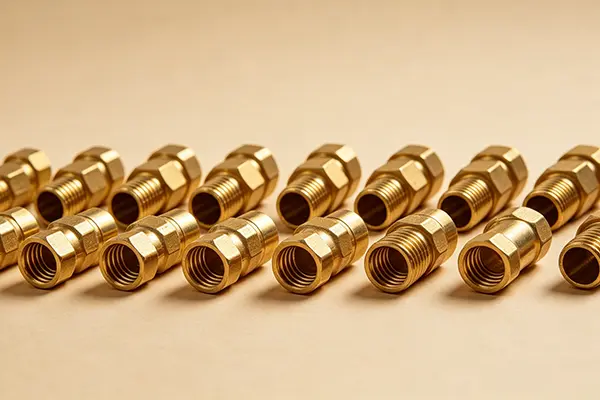
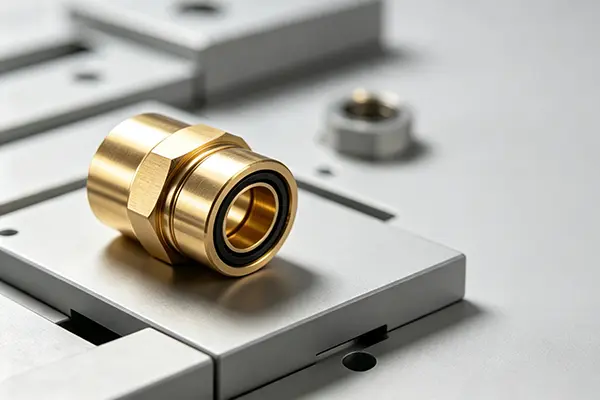
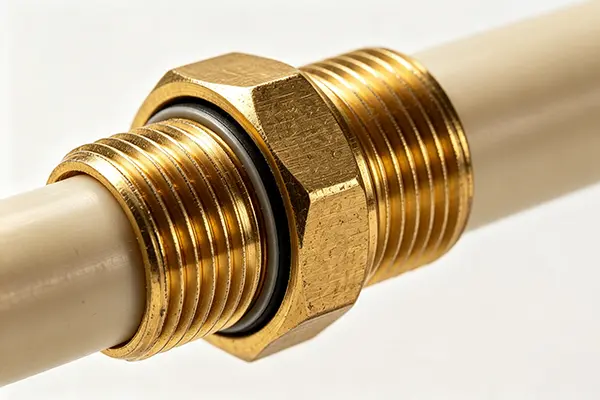
Brass Thread Reducer Insert is a compact threaded conversion component designed to connect different pipe sizes within a limited installation space. It is mainly used to convert a larger female threaded port into a smaller threaded connection, allowing different pipes, valves, fittings, and equipment interfaces to be connected efficiently. Compared with traditional multi-component conversion solutions, this product reduces the number of connection points, minimizes potential leakage risks, and provides a more convenient solution for pipe modification, equipment installation, and plumbing system expansion.
Manufactured from high-quality brass materials, the product combines excellent corrosion resistance, mechanical strength, and machining performance. It has become a commonly used connection solution in residential plumbing, HVAC systems, industrial equipment, water treatment systems, and fluid control applications.
Structure and Product Classification
The standard structure of a Brass Thread Reducer Insert consists of an external thread on the outside and an internal thread inside the body. The external thread is designed to fit into a larger female threaded fitting, while the internal thread allows connection with a smaller male threaded pipe or component. Through this dual-thread structure, the product achieves reliable size conversion without requiring additional adapters.
According to structural design, installation requirements, and application conditions, brass threaded reducer inserts can be divided into several main types.
Standard Reducer Insert
The standard reducer insert adopts a concentric design where the external thread and internal thread share the same centerline. This is the most commonly used structure for general pipe size conversion applications.
It is widely applied in water supply systems, valves, filters, pipe fittings, and equipment connections where a larger threaded port needs to be reduced to a smaller connection size.
Hex Shoulder Reducer Insert
The hex shoulder design adds a wrenching section to the middle of the component, allowing installers to use standard tools for tightening and removal. Compared with smooth-body designs, this structure provides better torque control and prevents damage to the threaded area during installation.
This type is especially suitable for applications requiring regular maintenance, equipment replacement, or installation in limited spaces.
Heavy Duty Reducer Insert
The heavy-duty type features increased wall thickness and enhanced structural strength. It is designed for applications where the connection is exposed to higher pressure, mechanical vibration, or frequent load changes.
Compared with standard thin-wall designs, the reinforced structure provides improved resistance against thread deformation, cracking, and installation stress, making it suitable for industrial piping systems and equipment connections.
Extended Thread Reducer Insert
The extended type increases the effective thread engagement length, improving connection stability and pull-out resistance. The longer threaded section provides stronger mechanical locking performance when the pipeline is affected by vibration, pressure fluctuation, or thermal expansion.
This design is commonly used in industrial machinery, hydraulic equipment, and applications requiring higher connection reliability.
Customized Thread Reducer Insert
To meet different international piping standards, NINGXING provides customized solutions including BSP, NPT, and metric thread options. Special sizes, unique thread combinations, customized lengths, and specific surface treatments can be developed according to customer drawings or samples.
Customized production enables the Brass Thread Reducer Insert to meet OEM projects, engineering requirements, and large-volume procurement demands.
Main Technical Specifications
Material Options
The product is mainly manufactured from high-quality brass materials such as HPb59-1 forged brass, which provides excellent machinability, wear resistance, and mechanical stability.
For international markets, NINGXING can also supply CW617N European standard brass and low-lead brass materials complying with RoHS requirements. For applications requiring higher corrosion resistance, stainless steel options including 304 and 316 can also be provided.
Thread Standards
The product supports multiple international thread standards, including BSP (British Standard Pipe), NPT (National Pipe Thread), and metric thread systems.
Common size combinations include 1/2" × 3/8", 3/4" × 1/2", 1" × 3/4", 1-1/4" × 1", and 2" × 1". Customized thread combinations are available according to customer requirements.
Machining Accuracy
Thread precision directly affects sealing performance and installation reliability. NINGXING uses precision CNC machining equipment to control thread dimensions and surface quality.
The internal thread accuracy can reach 6H grade, while external threads can reach 6g grade. Each production batch is inspected through thread gauges to ensure accurate compatibility with pipes, valves, and equipment interfaces.
Surface Treatment
Different surface treatments are available according to application requirements. Natural brass finish provides a classic appearance with reliable corrosion resistance after passivation treatment.
Nickel plating improves surface corrosion resistance and provides a smooth silver-colored finish, making it suitable for applications requiring both durability and appearance quality.
Working Performance
The product is suitable for water, air, oil, and various weak corrosive media. Depending on size, structure, and application conditions, the working temperature range is generally from -20℃ to 120℃.
The maximum working pressure can reach 1.6MPa to 4.0MPa depending on specifications. Actual pressure performance is influenced by thread size, wall thickness, installation method, and system operating conditions.
Manufacturing Process and Performance Features
NINGXING combines traditional brass forging technology with modern CNC machining processes to ensure that every Brass Thread Reducer Insert achieves stable dimensions, reliable mechanical performance, and consistent quality. From raw material selection to final inspection, each production step is strictly controlled to meet the requirements of global industrial customers.
Precision Forging for Structural Strength
The manufacturing process starts with high-quality brass materials selected according to mechanical performance and application requirements. Through hot forging technology, the internal grain structure of the material becomes denser and more uniform.
Compared with conventional casting methods, forged brass components have fewer internal defects such as pores, shrinkage cavities, and inclusions. This improved material structure provides better pressure resistance, impact strength, and long-term durability during pipeline operation.
For applications involving frequent pressure changes, mechanical vibration, or repeated installation, forged construction helps maintain stable connection performance and reduces the risk of cracking or deformation.
CNC Machining for Thread Accuracy
Thread quality is one of the most important factors affecting sealing reliability. NINGXING uses advanced CNC machining equipment to process internal and external threads with high dimensional accuracy and consistent surface finish.
The precise machining process ensures smooth thread engagement between the reducer insert and connected components, reducing installation difficulties caused by dimensional deviation. Each batch is inspected through professional thread gauges before shipment to guarantee compatibility with international pipe standards.
Reliable Sealing Performance
The product contains two threaded connection areas, meaning both the external and internal threads must maintain reliable sealing performance. NINGXING controls thread tolerance, surface roughness, and machining consistency to reduce the possibility of leakage.
When combined with proper sealing materials such as PTFE tape or thread sealant, the product can provide a stable sealing connection for water, air, oil, and other low to medium pressure fluid systems.
Compact Design for Space-Saving Installation
One of the major advantages of this threaded conversion component is its compact structure. Traditional pipe size conversion may require several adapters and additional connection points, increasing installation length and potential leakage areas.
The integrated design allows users to complete size conversion within a single connection position, making it especially suitable for equipment interfaces, valve assemblies, and piping systems where installation space is limited.
Wide Compatibility with Different Systems
Due to its flexible thread combinations and material options, the product can be adapted to various piping environments. BSP and NPT thread standards allow compatibility with different regional piping systems, while customized specifications provide solutions for special engineering projects.
This flexibility makes Brass Thread Reducer Insert a practical choice for distributors, plumbing suppliers, equipment manufacturers, and engineering contractors requiring reliable threaded conversion components.
Stable Quality Control System
NINGXING follows ISO9001:2015 quality management procedures throughout the manufacturing process. Raw materials, forging processes, machining dimensions, surface treatment, and final inspection are controlled according to strict production standards.
With professional inspection equipment and experienced production teams, NINGXING ensures every batch meets customer requirements for dimensional accuracy, appearance quality, and functional reliability.
Typical Application Areas
Plumbing and Water Supply Systems
The product is widely used in residential and commercial plumbing systems where different pipe sizes need to be connected efficiently.
For example, a large-size water pipe connection with a 3/4" female threaded port can be converted into a 1/2" connection for faucets, valves, filters, or other terminal equipment. This allows installers to modify existing pipelines without replacing the entire pipe section.
Valve and Equipment Connection
Many industrial valves, pumps, filters, and control devices are manufactured with standardized ports that may not directly match the existing pipeline size. The reducer insert provides a convenient interface conversion solution between equipment and piping systems.
Typical applications include pressure gauges, temperature sensors, water meters, flow control valves, and filtration equipment where smaller connection sizes are required.
HVAC and Circulation Systems
In heating, ventilation, and air conditioning systems, different components often require different connection sizes. Brass Thread Reducer Insert helps connect branch pipes, control valves, and terminal units while maintaining a compact pipeline layout.
It is commonly used in chilled water systems, heating pipelines, fan coil unit connections, and circulation water equipment where reliable threaded conversion is required.
Industrial Fluid Systems
In industrial applications, piping systems often include different equipment interfaces and branch connections. Reducer inserts provide a practical method for adapting different thread sizes without redesigning the entire pipeline structure.
Typical applications include compressed air systems, hydraulic equipment, automation machinery, process pipelines, and low-pressure fluid control systems.
Pipeline Renovation and Maintenance Projects
During pipeline upgrades or maintenance work, existing systems may need to connect with new equipment using different thread specifications. The reducer insert allows engineers to complete modifications quickly without replacing large sections of the original pipeline.
This makes it a cost-effective solution for building renovation, equipment replacement, and system expansion projects.
Definition and Types
The product is a threaded reducing component with two different thread sizes on the same axis. During installation, the external thread of the insert is screwed into a larger female threaded fitting, such as a valve, elbow, tee, flange or pipe socket. The internal thread then provides a connection point for a smaller male threaded pipe or equipment port, allowing different pipe sizes to be connected without additional adapters.
According to structural design and application requirements, Brass Thread Reducer Insert products are mainly divided into the following categories.
Standard Reducer Insert
The standard reducer insert features concentric external and internal threads with the same center axis. It provides a simple and compact method for reducing pipe sizes and is widely used in general plumbing, water supply and industrial piping systems.
Eccentric Reducer Insert
The eccentric reducer insert has offset internal and external thread axes. This design is mainly applied in horizontal piping systems where maintaining the same pipe bottom level is important. It helps prevent liquid accumulation and improves drainage performance.
Hex Shoulder Reducer Insert
The hex shoulder design adds a wrenching surface between the two thread sections. It allows installers to apply proper tightening torque with standard tools, improving installation efficiency and preventing damage caused by improper gripping.
Heavy Duty Reducer Insert
The heavy-duty type features increased wall thickness and reinforced construction. It is suitable for applications requiring higher mechanical strength, stronger resistance to installation stress and improved durability under pressure conditions.
Short Length Reducer Insert
The short type is designed with reduced axial length for applications where installation space is limited. It provides a practical solution for compact equipment layouts and confined connection areas.
Technical Specifications
Material Selection: Standard models are manufactured from HPb59-1 forged brass, containing approximately 57%-60% copper. For export markets, NINGXING can supply CW617N European standard brass and low-lead brass materials compliant with RoHS requirements. Stainless steel 304 and 316 options are also available for special applications.
Size Range: The products are available in various thread combinations, including common sizes such as 1/2"×3/8", 3/4"×1/2", 1"×3/4", 1"×1/2" and 1-1/4"×1". Customized size combinations are available according to customer requirements.
Thread Standards: Products support international thread standards including BSP, BSPT and NPT. External thread accuracy reaches 6g grade while internal thread accuracy reaches 6H grade. Each batch is inspected with thread gauges to ensure reliable compatibility.
Surface Treatment: Available surface finishes include natural brass passivation, nickel plating and zinc coating. Nickel-plated versions provide enhanced corrosion resistance, improved appearance and longer service life in humid environments.
Working Conditions: Suitable for water, oil, air and various weakly corrosive fluids. The operating temperature range is generally -20℃ to 120℃, with maximum working pressure reaching 1.6MPa-4.0MPa depending on size, material and reducer ratio.
Manufacturing Advantages
Compact Conversion Structure
The biggest advantage of a Brass Thread Reducer Insert is its ability to complete large-to-small thread conversion within a single component. Compared with traditional solutions using multiple adapters and fittings, the reducer insert reduces the number of connection points, shortens installation length and minimizes potential leakage risks. This compact structure is especially valuable in equipment with limited installation space.
Forged Brass Strength
NINGXING uses precision forging technology to produce brass reducer inserts with dense internal structures and excellent mechanical strength. Compared with cast components that may contain porosity or shrinkage defects, forged brass fittings provide better resistance to pressure, vibration and installation torque, ensuring stable performance during long-term operation.
Flexible Design Options
Different piping systems require different installation solutions. Concentric designs are suitable for standard connections, while eccentric designs are used where pipeline alignment and drainage performance are important. Various thread combinations, wall thickness options and surface treatments allow the product to meet diverse engineering requirements.
Precision Thread Processing
The reducer insert contains two independent threaded connections, making machining accuracy critical. NINGXING applies CNC machining technology and strict inspection procedures to control thread dimensions, pitch accuracy and surface quality. Each product is tested before shipment to ensure smooth installation and reliable sealing performance.
Easy Installation and Maintenance
The hex shoulder structure allows quick installation with common tools and provides stable tightening control. During maintenance or system modification, the reducer insert can be removed and replaced easily without changing the entire pipeline structure, reducing downtime and maintenance costs.
Application Areas
Pipeline Size Conversion
In water supply systems, Brass Thread Reducer Insert fittings are commonly used on tees, elbows and valves to convert larger threaded ports into smaller branch connections. For example, a 3/4" pipeline outlet can be reduced to a 1/2" connection for installing terminal equipment or smaller pipes.
Equipment Interface Adaptation
When equipment ports do not match existing pipeline sizes, reducer inserts provide a convenient connection solution. They are widely used for pressure gauges, temperature sensors, filters, valves and other components requiring different thread sizes.
Pipeline Renovation Projects
During old pipeline upgrades or system expansion, Brass Thread Reducer Insert products allow new small-diameter branches to be added without replacing existing large-diameter fittings. This reduces project costs and simplifies installation work.
Industrial Fluid Systems
In industrial applications, reducer inserts are used in compressed air systems, hydraulic control blocks, instrumentation pipelines and process equipment where different connection sizes must be integrated into one system.
HVAC and Water Treatment Systems
Heating, ventilation, air conditioning and water treatment systems often require multiple pipe size transitions. Brass reducer inserts help connect pumps, valves, filters and terminal devices while maintaining reliable threaded sealing.
Frequently Asked Questions
What is the difference between a Brass Thread Reducer Insert and a standard adapter?
A standard adapter mainly changes connection types, such as converting male threads to female threads, while keeping the same size. The product is specifically designed for size reduction, with a larger external thread and a smaller internal thread. It is selected when a larger female threaded port needs to connect with a smaller male threaded component.
How should a reducer insert be installed correctly?
During installation, sealing tape or thread sealant should be applied according to the pipe system requirements. The external thread side should first be installed into the larger female threaded fitting using the hex shoulder for tightening. The smaller male threaded component can then be installed into the internal thread. Avoid gripping the thin wall section directly with pipe wrenches to prevent deformation.
How do I choose between concentric and eccentric reducer inserts?
A concentric reducer insert is suitable for most vertical pipelines and general applications where alignment is not a concern. An eccentric reducer insert is recommended for horizontal pipelines where maintaining pipe bottom alignment is necessary to avoid liquid accumulation or improve drainage performance.
Can a reducer insert handle the same pressure as a standard pipe fitting?
The pressure rating depends on material, size combination and reducer ratio. Generally, larger reduction ratios create greater stress concentration and may reduce pressure capability. For high-pressure systems, reinforced designs with increased wall thickness should be selected, and the product pressure rating should always be verified before installation.
- View as
Electroplated Brass Thread Reducer Adapter
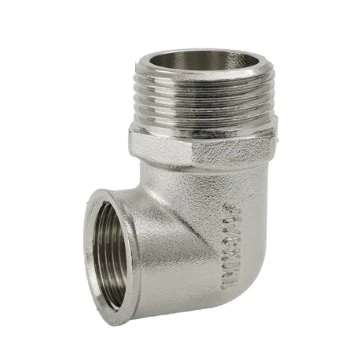
The NINGXING Electroplated Brass Thread Reducer Adapter is designed to connect components with different thread sizes or standards in electrical and industrial equipment. Made from brass with a nickel-plated surface, it provides a compact connection structure with good mechanical strength, corrosion resistance, and dimensional stability.
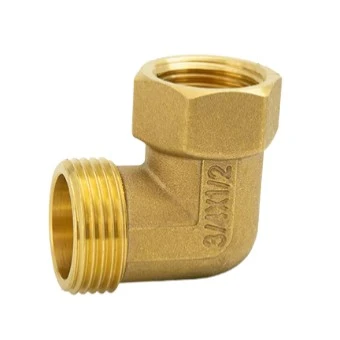
Brass Male-Female Thread Reducer Connector
The NINGXING Brass Male-Female Thread Reducer Connector is designed to connect threaded pipes or components with different nominal sizes through one male thread and one female thread. Made from forged brass and precision-machined by CNC equipment, it provides accurate thread engagement, reliable sealing, and good resistance to corrosion and pressure. Available in BSP, NPT, PT, and other thread standards, it is suitable for water, oil, air, gas, HVAC, heating, and general fluid piping systems.
NINGXING is a professional Brass Thread Reducer Insert manufacturer and supplier in China. We warmly welcome you to wholesale high quality products at competitive price from our factory.