
Products
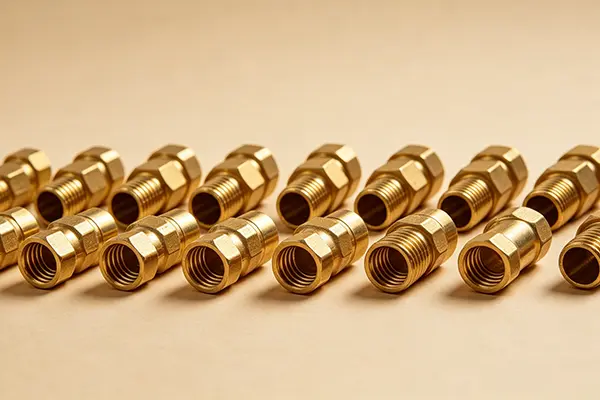
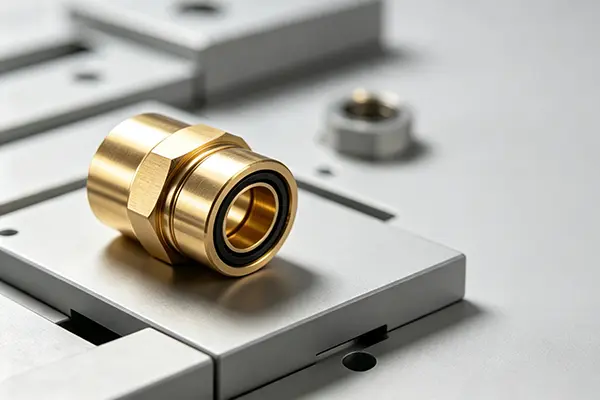
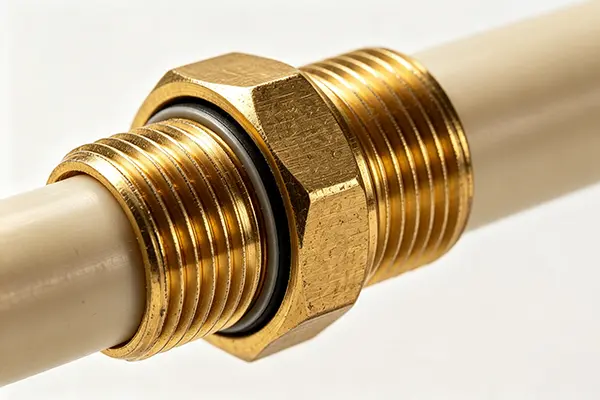
Our comprehensive product portfolio includes a wide range of brass rods (including low-lead and lead-free grades), brass fittings, and pipe components, engineered for exceptional mechanical strength, corrosion resistance, and machinability across plumbing, HVAC, automotive, and industrial applications.
Superior Ferrule Fitting at Factory Price for Reliable Industrial Connections
NINGXING is a professional Manufacturer integrating precision machining, heat treatment and component assembly. As a Supplier for hydraulic, pneumatic and instrumentation piping systems, the factory provides Ferrule Fitting solutions manufactured according to DIN, GB and ASME requirements. The product range covers single ferrule, double ferrule and Ferulok-style structures, together with straight connectors, elbows, tees and bulkhead configurations for different pipeline layouts.
Product Types
Single Ferrule Design
The EO-type single ferrule uses a single cutting edge that engages with the outside surface of the tube during tightening. It is designed for general medium- and high-pressure piping systems where mechanical tube retention and metal-to-metal sealing are required.
Double Ferrule Design
The EO-2 structure uses a front and rear ferrule arrangement with positioning and sealing functions. Its combined mechanical and elastic sealing design is suitable for hydraulic systems and other installations where sealing stability and repeated maintenance are important.
Ferulok Configuration
The American Ferulok-type structure uses a single ferrule with a stop function and is commonly applied to piping systems following American specifications. Thread form, tube dimensions and ferrule geometry should be matched to the selected standard rather than mixed with other ferrule systems.
Tube Compatibility
Tube Diameter Range
NINGXING Ferrule Fitting products can be matched with precision seamless steel tubes with outside diameters from Φ4 mm to Φ42 mm. Carbon steel and stainless steel tubes can be selected according to pressure, temperature and medium requirements.
Tube Surface Requirements
Because the ferrule seals and grips directly against the tube surface, tube dimensional accuracy, roundness and surface condition are important. The tube should have a suitable wall thickness and a clean, undamaged outside surface to allow consistent ferrule engagement during installation.
Pressure and Temperature
Working Pressure
Standard configurations can provide working pressure ratings of approximately 16 MPa to 40 MPa depending on size, material and structure. Certain products manufactured according to GB/T 3737-2008 requirements can reach maximum pressure levels of up to 63 MPa. The actual allowable pressure should be determined from the selected fitting size, tube specification, material and operating conditions.
Temperature Conditions
Depending on material selection, carbon steel and stainless steel configurations can cover operating temperatures from approximately -200°C to +538°C. This allows the products to be considered for applications ranging from low-temperature liquid nitrogen lines to high-temperature steam tracing systems.
Material Options
Stainless Steel Grades
304, 316 and 316L stainless steel are available for applications requiring different levels of corrosion resistance and cleanliness. 316L is particularly suitable for systems involving demanding process environments and clean piping requirements, including pharmaceutical applications.
Carbon Steel Components
20# quality carbon steel can be selected for general hydraulic, pneumatic and industrial piping systems where the operating environment is suitable for carbon steel. Material selection should consider pressure, temperature, fluid properties and external corrosion exposure.
Surface Protection
Depending on the component material and application, surface treatments such as zinc plating or silver plating can be provided. These treatments can improve corrosion resistance and reduce the risk of thread galling during assembly.
Thread Compatibility
Metric and Pipe Threads
Connection configurations can accommodate different thread systems used in industrial piping. Common options include ZG tapered pipe threads and G cylindrical pipe threads, allowing the fitting to be matched with different equipment and pipeline interfaces.
NPT Connections
NPT threads are available for systems using American pipe-thread specifications. Because thread angle, pitch and sealing principles differ between standards, the selected fitting and mating component should use the same thread specification to avoid connection and leakage problems.
Installation Control
Tube Preparation
Before installing a Ferrule Fitting, the tube should be cut square to its axis, with an angular deviation preferably controlled within 0.5°. Burrs on both the inside and outside of the tube must be removed, while the tube end should remain free from scratches, deformation and contamination.
Pre-Assembly Procedure
For high-volume installation, a dedicated ferrule pre-assembly machine can be used to control ferrule engagement depth and improve installation consistency. For individual installations, the nut can be tightened according to the specified installation procedure, such as hand tightening followed by a controlled additional rotation, with the exact procedure determined by the fitting manufacturer's instructions.
Sealing and Vibration
Mechanical Tube Grip
When the nut is tightened, axial force pushes the ferrule into the 24° conical seat of the fitting body. The ferrule edge engages with the tube wall to form a mechanical holding point, while the contact between the ferrule and fitting body contributes to the sealing interface.
Vibration Resistance
The mechanical engagement between the ferrule and tube helps maintain the connection under vibration and pressure fluctuations. In hydraulic and mobile equipment applications, correct tube preparation, fitting selection and installation torque remain essential to achieving stable long-term performance.
Maintenance and Reuse
Repeated Disassembly
A properly installed ferrule connection can be disassembled and reassembled for maintenance without welding or cutting the entire pipeline. This feature is useful for equipment that requires periodic inspection, component replacement or line cleaning.
Component Inspection
After disassembly, the ferrule cutting edge, fitting body, nut threads and tube engagement area should be inspected. If the ferrule is visibly worn or deformed, or if the nut thread is damaged, replacement is recommended. A deep or uneven tube groove or an axial scratch may also require the affected tube section to be removed before making a new connection.
Application Conditions
Oil, Gas and Chemical Systems
In refinery equipment, Ferrule Fitting connections can be used for instrument air lines, analytical sampling lines and cooling circulation lines around high-pressure reactors. Natural gas applications include station instrumentation control lines and high-pressure hose transition connections at gas filling facilities. Stainless steel configurations can also be considered for pipelines handling acidic, alkaline or saline media when the selected material is compatible with the medium.
Rail and Construction Equipment
Rail transportation applications include air-brake piping and hydraulic damping lines used in high-speed rail and metro vehicles. Construction machinery such as truck cranes and excavators can use ferrule connections in hydraulic pilot control circuits and steering systems where compact installation and vibration resistance are required.
Instrumentation and Medical Systems
Analytical instruments such as gas chromatographs and liquid chromatographs use small-diameter tubing for carrier gas and sample transmission. In pharmaceutical equipment, 316L stainless steel configurations can be used for purified water, water-for-injection and clean steam sampling or transfer lines when the complete system is designed for the applicable sanitary requirements.
Power and Marine Equipment
Power-generation applications include turbine lubrication oil lines and cooling-air lines for boiler flame monitoring equipment. On ships, compact ferrule connections can be used in fuel oil, lubricating oil, fresh water and compressed-air piping systems where space and maintenance accessibility are important.
Factory Quality Control
Precision Machining
NINGXING controls critical dimensions during CNC machining, including cone geometry, ferrule contact areas, thread dimensions and component tolerances. Heat treatment and surface processing can be incorporated according to the material and required mechanical performance.
Assembly Consistency
For applications requiring large quantities of identical connections, standardized pre-assembly and inspection procedures help reduce variation caused by manual installation. This is particularly useful for hydraulic equipment, instrumentation panels and complex industrial piping assemblies.
Certification and Standards
Quality Management
NINGXING operates an established factory production and inspection system and provides products under an ISO9001:2015 quality management framework. Material control, machining, heat treatment, surface treatment and final inspection are managed according to defined production requirements.
Compliance Requirements
CE and RoHS compliance can be provided for applicable products and export projects. Product dimensions, materials, thread specifications and performance requirements can be aligned with DIN, GB and ASME-related customer specifications according to the intended market and application.
FAQ
What Tube Is Required?
The connection should use precision seamless steel tubing with suitable outside diameter, wall thickness, roundness and surface condition. The tube end should be cut perpendicular to its axis, deburred and cleaned before installation. Ordinary deformed or damaged tubing may prevent the ferrule from forming a reliable connection.
Can the Connection Be Reused?
Ferrule connections are designed to support maintenance disassembly and repeated assembly when operated correctly. After removal, the ferrule and nut should be inspected for wear or deformation, and the tube engagement area should be checked for excessive grooves or scratches. Damaged components should be replaced before reuse.
What About High or Low Temperatures?
Temperature requirements should be considered together with material selection and sealing structure. For temperatures above 250°C, thermal expansion can affect preload, so the connection should be checked according to the manufacturer's high-temperature installation procedure. For temperatures below -40°C, austenitic stainless steel is generally preferred over carbon steel because of low-temperature toughness considerations. For extreme temperatures above 450°C, an all-metal sealing structure and suitable high-temperature alloy may be required.
Can EO and Ferulok Parts Be Mixed?
EO single ferrule, EO-2 double ferrule and American Ferulok configurations have different ferrule geometries, thread systems, cone dimensions and installation characteristics. They should not be directly interchanged. The complete fitting assembly should be selected according to the piping standard used by the system, such as DIN, GB or ASME-related specifications.
NINGXING provides Ferrule Fitting products for hydraulic, pneumatic, instrumentation and industrial piping applications, combining precision machining, heat treatment, surface treatment and component assembly within its factory manufacturing system. With different ferrule structures, tube sizes, materials and thread standards available, the Supplier can support both standard configurations and customized requirements based on drawings, samples and application conditions.
- View as
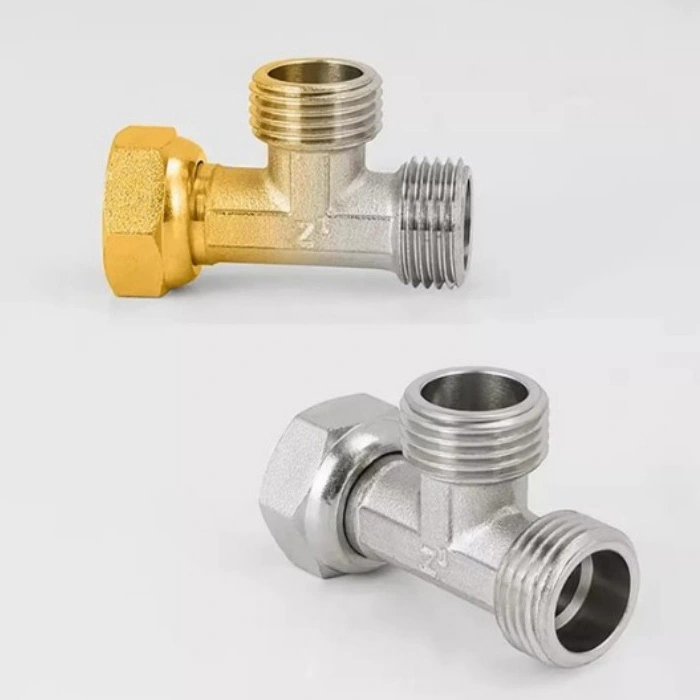
Water Pipe Tee Connector
NINGXING Water Pipe Tee Connector is designed for reliable branch connections in water supply, HVAC, plumbing, equipment piping, and renovation projects. Made from high-quality brass and manufactured through forging and CNC machining, it combines mechanical strength, corrosion resistance, accurate threading, and dependable sealing.
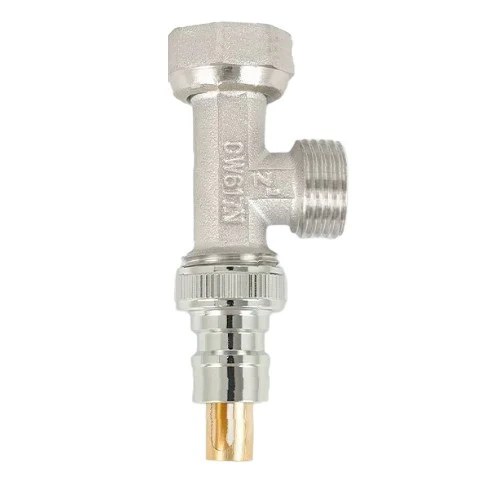
Toilet Water Splitter Valve Tee
The NINGXING Brass Toilet Water Splitter Valve Tee is designed for reliable water distribution in toilet, bathroom, and residential plumbing systems. Manufactured from high-quality brass with a reinforced valve body structure, it provides excellent pressure resistance, corrosion protection, and long-term leak prevention compared with ordinary plastic or zinc alloy alternatives.
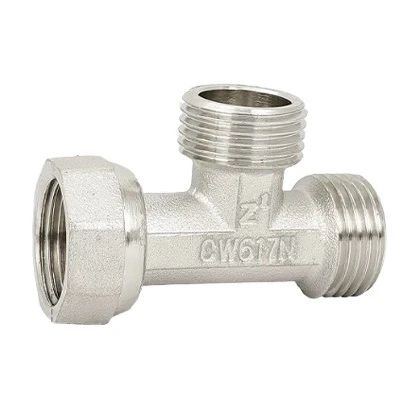
Faucet Water Splitter Tee
The NINGXING Faucet Water Splitter Tee is designed to solve common water connection challenges where one existing outlet needs to supply multiple devices or fixtures. With a compact two-way distribution structure, it allows a single water source to be expanded into separate outlets for faucets, washing machines, dishwashers, cleaning equipment, and other plumbing applications.
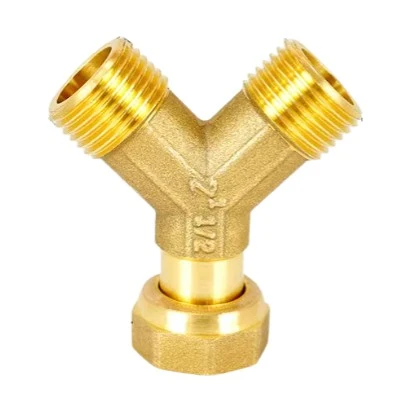
Washing Machine Water Divider Tee
The NINGXING Washing Machine Water Divider Tee is a durable brass fitting designed to split one water supply into two independently controlled outlets. With a chrome-plated brass body and ceramic valve cartridges, it offers reliable shut-off performance, corrosion resistance, and easy connection for washing machines, faucets, laundry equipment, and utility sinks. Available in common 4-point and 6-point sizes, it supports OEM customization, private-label packaging, and bulk supply.
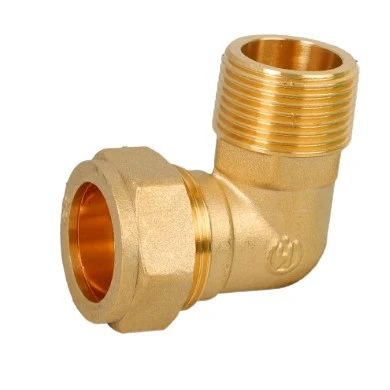
Brass Thickened Air Conditioning Elbow Reducer 90-Degree Male Thread
NINGXING provides Brass Thickened Air Conditioning Elbow Reducer 90-Degree Male Thread for air-conditioning, refrigeration and HVAC piping applications. Designed for systems requiring a 90-degree change of direction together with a reduction between different pipe sizes, this fitting helps simplify compact piping layouts around indoor and outdoor units, compressors, condensers, valves and other equipment.
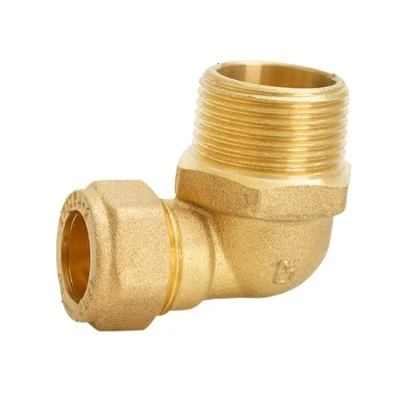
Brass Thickened Gas Pipe Elbow Reducer 90-Degree Male Thread
NINGXING Brass Thickened Gas Pipe Elbow Reducer 90-Degree Male Thread is made from high-quality brass bar with precision forging and CNC machining. Its reinforced body combines 90° direction change, size reduction and male-threaded connection in one compact fitting, making it suitable for HVAC, refrigeration and compatible piping systems.
NINGXING is a professional Ferrule Fitting manufacturer and supplier in China. We warmly welcome you to wholesale high quality products at competitive price from our factory.