
Products
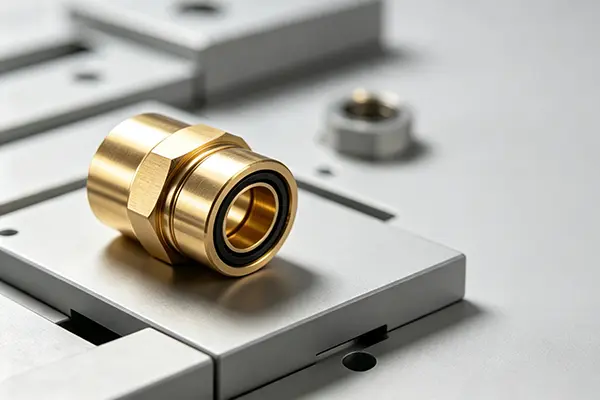
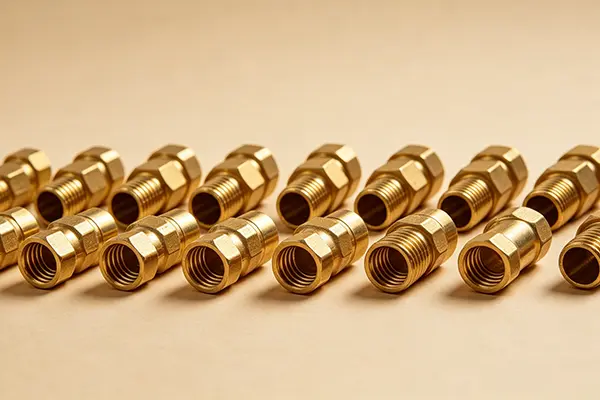
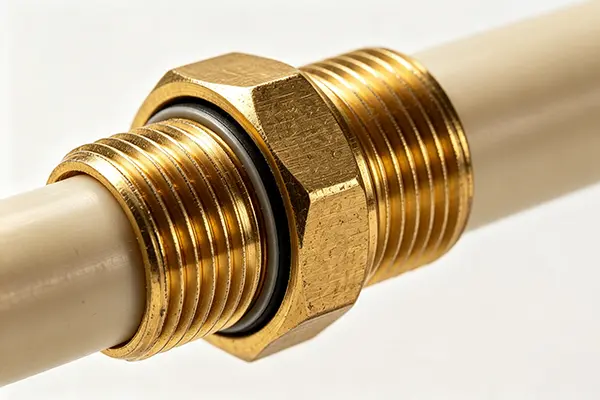
Our comprehensive product portfolio includes a wide range of brass rods (including low-lead and lead-free grades), brass fittings, and pipe components, engineered for exceptional mechanical strength, corrosion resistance, and machinability across plumbing, HVAC, automotive, and industrial applications.
Factory Direct Brass Hose Barb Fitting for Reliable Fluid Connections
NINGXING Brass Hose Barb Fitting is a practical connection component for joining flexible hoses with threaded equipment, rigid piping or other hose sections. With an integrated manufacturing capability covering brass forging, precision CNC machining and surface treatment, NINGXING operates as a professional Manufacturer and Supplier with its own Factory serving plumbing, pneumatic and industrial piping markets.
The barbed end is designed with stepped annular teeth that grip the inner wall of a hose, while the threaded or barbed connection on the other side provides a flexible interface for different system configurations. Combined with a suitable hose clamp, the fitting provides a secure connection for water, air, oil and other compatible low-pressure fluids.
Connection Structures
Male Barb Design
A male configuration combines a barbed hose connection with an external threaded end. It can be screwed into female-threaded ports on valves, equipment, manifolds and pipeline components, making it suitable for converting a rigid threaded interface into a flexible hose connection.
Female Barb Design
A female configuration uses an internal threaded end together with a barbed outlet. It is suitable for applications where the existing equipment or pipe connection uses an external thread and a flexible hose needs to be connected on the opposite side.
Double Barb Union
A double barb union has barbed ends on both sides and is mainly used to connect two flexible hoses directly. It can also be used for hose repair or extension without introducing an additional threaded connection.
Elbow and Reducing Forms
90° elbow configurations help change hose direction in compact installations and can reduce excessive bending of the hose. Reducing configurations provide different barbed diameters on each side for connecting hoses with different internal diameters.
Hose Matching
Inner Diameter
The hose inner diameter is one of the most important factors when selecting a fitting. The barbed section should provide an appropriate interference fit with the hose without excessively deforming or damaging the hose wall. Common hose sizes in the supplied range include approximately 3 mm to 32 mm, with examples such as 6 mm, 8 mm, 10 mm, 12 mm, 16 mm, 19 mm and 25 mm.
Hose Materials
The barbed structure can be used with compatible rubber, PVC, PU, nylon, silicone and braided hoses. However, hose hardness, wall thickness and elasticity affect installation force and retention performance, so the fitting size should always be matched with the actual hose specification.
Thread Selection
BSP and NPT
Threaded configurations can be manufactured for commonly used BSP and NPT connections, allowing flexible hoses to be connected to equipment and piping components used in different regional markets. Metric thread options can also be considered for applications requiring metric interfaces.
Thread Accuracy
For threaded connection components, dimensional consistency directly affects installation and sealing. NINGXING controls critical threaded dimensions during CNC machining, with internal thread accuracy specified at 6H or above and external thread accuracy at 6g or above according to applicable product requirements.
Retention Method
Barb Engagement
The stepped barbs create mechanical interference with the hose inner wall after insertion. The tapered geometry helps the hose pass over the fitting during installation while the raised sections provide resistance against axial movement after the hose is positioned.
Clamp Assistance
A hose clamp should be used for pressurized applications. Stainless steel clamps or suitable compression sleeves can increase the retention force and help maintain sealing when the system experiences pressure fluctuations, vibration or external pulling forces.
Installation Details
Hose Preparation
The hose should be cut cleanly and checked for damage before installation. For relatively rigid hoses, controlled softening of the hose end may make insertion easier. The hose should be pushed fully over the barbed section rather than being positioned only on the first barb.
Clamp Position
The clamp should be positioned over the effective barbed area without damaging the hose. Excessive tightening may cut or deform the hose wall, while insufficient tightening may reduce retention. After assembly, the connection should be checked before the system is gradually brought to operating pressure.
Material Options
Forged Brass
HPb59-1 forged brass is one of the material options supplied for conventional applications. The material contains approximately 57%–60% copper and 0.8%–1.9% lead according to the supplied material information. Forging provides a dense metal structure suitable for machined connection components.
Low-Lead and Stainless Steel
For export markets and applications with specific environmental requirements, CW617N European brass or low-lead brass compliant with applicable RoHS requirements can be selected. 304 stainless steel is also available for applications requiring different corrosion and mechanical characteristics.
Surface Protection
Natural Brass
Natural brass provides the traditional appearance of the material and can receive passivation treatment to help reduce surface discoloration during storage and use. This option is commonly selected where the natural metallic appearance is acceptable.
Nickel Plating
Nickel plating provides a silver-colored surface and additional protection for applications where appearance and surface corrosion resistance are important. According to the supplied production specification, nickel-plated products can undergo a 48-hour neutral salt spray test with no base-metal corrosion under the stated test conditions.
Working Conditions
Fluid Compatibility
The product can be used for compatible water, oil, air, steam and weakly corrosive media, provided that the hose, sealing method and fitting material are suitable for the specific medium. For gas, fuel or chemical applications, purchasers should select a configuration specifically approved for the intended service.
Pressure and Temperature
The supplied product range is intended for working temperatures of approximately -40°C to 120°C, while working pressure varies with fitting size, material, hose construction and clamping method. The supplied specification indicates approximately 0.5 MPa to 2.5 MPa for different sizes, with higher pressure possible when an appropriate clamp or compression method is used. Actual operating limits should be confirmed for the complete hose-and-fitting assembly.
Application Areas
Garden Irrigation
Garden irrigation is a common application for Brass Hose Barb Fitting. A faucet or irrigation main line can be connected to drip tubing, spray hoses or water-gun hoses through a suitable threaded barb configuration. Hose connections can also be used between a car washer inlet and a water supply line.
Pneumatic Equipment
In compressed-air systems, barbed fittings can connect flexible pneumatic hoses with rigid components such as galvanized pipes, copper pipes and equipment interfaces. Typical applications include air guns, cylinders, pneumatic wrenches and other low-pressure pneumatic tools. Similar connection principles can also be applied to suitable vacuum hose systems.
Household Appliances
Applications include water connections for water purifiers, coffee machines and instant water faucets. Gas appliances such as gas stoves and water heaters require dedicated fittings that meet the applicable gas safety and certification requirements rather than a general-purpose hose fitting.
Marine and Fluid Lines
On boats and marine equipment, suitable brass configurations can be used for freshwater, seawater and other compatible low-pressure hose connections. Other applications include food and beverage equipment and low-pressure chemical fluid transfer when the selected material and product specification meet the required hygiene and chemical compatibility standards.
Factory Production
Forging and Machining
NINGXING combines brass forging with precision CNC machining to produce the body, threaded section and barbed geometry according to controlled dimensions. This integrated process helps maintain consistency between different connection surfaces and supports stable batch production.
Inspection Control
Production inspection can cover critical dimensions, thread gauges, surface condition and connection quality. Threaded products can be checked with suitable go/no-go gauges, while finished components can be inspected according to the customer's drawings, specifications and applicable quality requirements.
Custom Manufacturing
Size Combinations
NINGXING supports customized combinations involving barbed diameters, threaded sizes, male or female interfaces, reducing structures and elbow configurations. Non-standard combinations can be developed according to hose dimensions and equipment connection requirements.
OEM Finishing
OEM projects can include special surface treatments, product markings, packaging and customized dimensions. Customers can provide drawings, samples or application requirements for technical evaluation before production.
Quality Certification
ISO Management
NINGXING operates a controlled manufacturing and inspection system covering material processing, forging, machining and surface treatment. The company holds ISO9001:2015 certification to support consistent production and quality management.
Export Requirements
For international supply, NINGXING can provide configurations according to destination-market requirements. CE and RoHS certifications are available for applicable products and projects, while special applications such as gas, food or medical systems should be evaluated against their respective regulatory requirements.
FAQ
Is a Clamp Required?
A clamp is strongly recommended for pressurized hose connections. Although the barbed structure provides initial mechanical retention, a clamp increases resistance to hose pull-off and helps maintain sealing during pressure fluctuations and vibration.
How Is the Size Selected?
Selection should begin with the hose inner diameter and then consider the required threaded connection on the opposite side. For example, a fitting designed for a 16 mm hose should normally be matched with a hose having an approximately 16 mm internal diameter, subject to the actual hose material and fitting design.
Can Different Hoses Be Joined?
Yes. Double barb unions can connect two hoses of compatible sizes, while reducing barb configurations can connect hoses with different internal diameters. Both sides should be properly inserted and secured with suitable clamps.
Can It Be Used for Gas?
General-purpose hose barbs should not automatically be treated as gas-approved components. Gas applications require a fitting, hose, sealing method and installation system that comply with the applicable local gas safety requirements and certifications.
NINGXING supplies Brass Hose Barb Fitting solutions for plumbing, garden irrigation, pneumatic equipment, household appliances, marine systems and other compatible low-pressure fluid applications. With brass forging, CNC machining, surface treatment and factory inspection integrated in one production system, NINGXING supports standard specifications as well as OEM customization, with ISO9001:2015, CE and RoHS certifications available for applicable products.
- View as
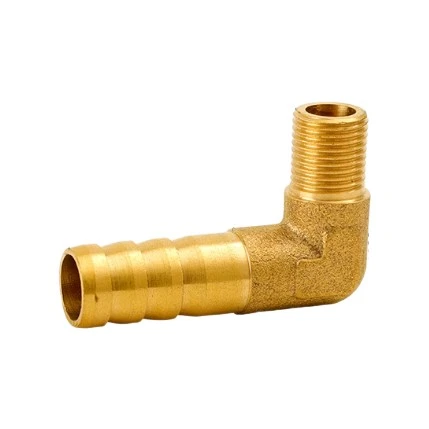
Brass L-Type Hose Barb Connector
The Brass L-Type Hose Barb Connector is a 90-degree brass fitting for connecting flexible hoses in compact installations. Its right-angle design helps route fluid or air lines around machinery, control cabinets, automotive components, cooling equipment, and other restricted areas while reducing sharp hose bending. Thread options include BSP/G, NPT, PT/BSPT, and metric configurations.
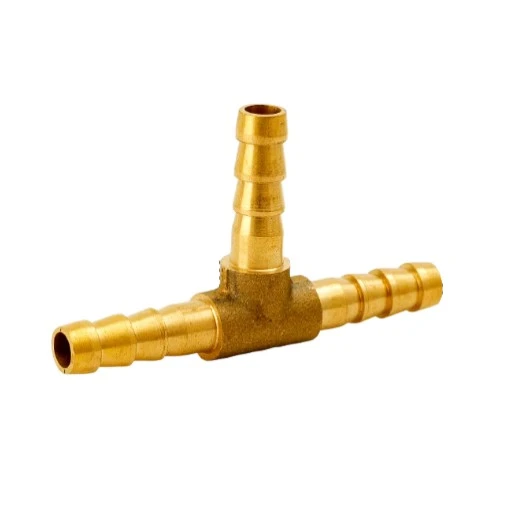
Brass T-Type Hose Barb Connector
NINGXING manufactures the Brass T-Type Hose Barb Connector for connecting three flexible hoses in a compact branch-line arrangement. Made from brass and precision machined, it provides corrosion resistance, dimensional stability, and reliable hose retention when used with suitable clamps. The T-shaped structure supports one-to-two flow distribution or two-to-one flow collection in water, air, fuel, oil, coolant, and compatible inert gas systems.
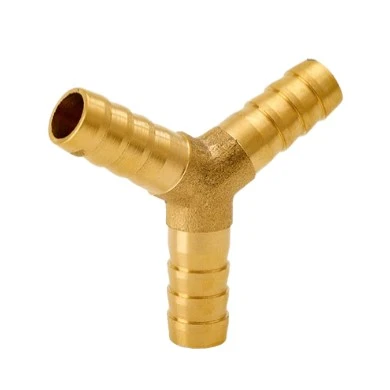
Brass Y-Type Hose Barb Connector
NINGXING manufactures the Brass Y-Type Hose Barb Connector from brass bar stock for splitting or combining flexible hoses. Its three barb outlets provide mechanical hose retention, while clamps can improve security in pressurized systems. Standard and custom sizes, thread specifications, surface finishes, logo marking, and packaging are available. Production is managed under ISO 9001:2015, with applicable CE and RoHS compliance.
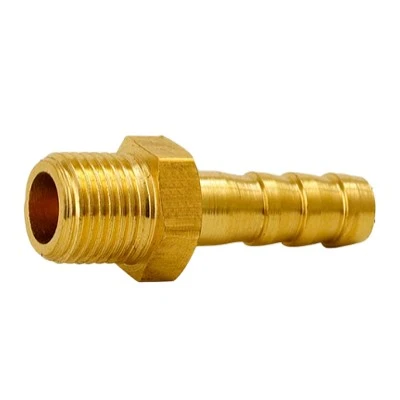
Brass Hose Barb Quick Connector
NINGXING Brass Hose Barb Quick Connector is designed for connecting flexible hoses with valves, pumps, tools, and equipment. Its brass body provides mechanical strength and corrosion resistance, while the barb section grips the hose inner wall to improve connection stability. The quick-connect structure allows faster assembly and disconnection than conventional threaded connections.
NINGXING is a professional Brass Hose Barb Fitting manufacturer and supplier in China. We warmly welcome you to wholesale high quality products at competitive price from our factory.