
Products
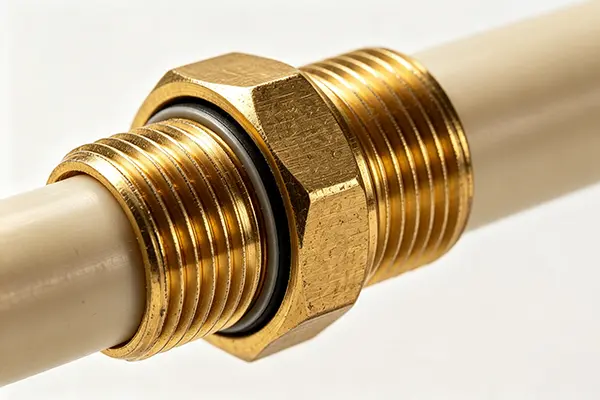
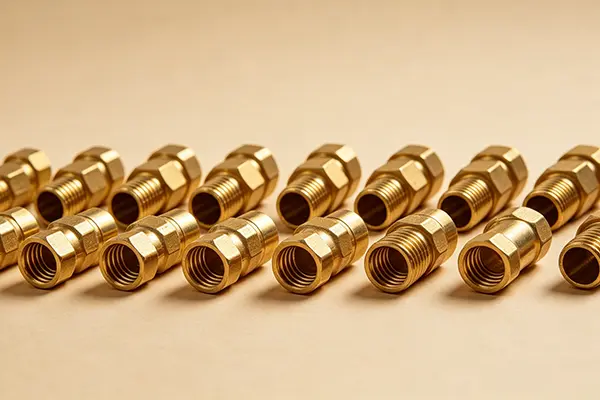
Our comprehensive product portfolio includes a wide range of brass rods (including low-lead and lead-free grades), brass fittings, and pipe components, engineered for exceptional mechanical strength, corrosion resistance, and machinability across plumbing, HVAC, automotive, and industrial applications.
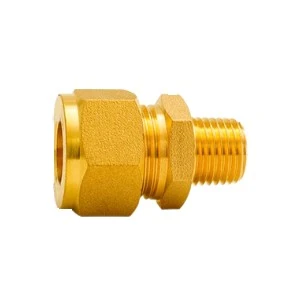
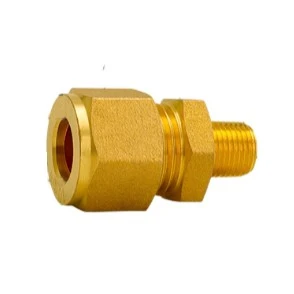
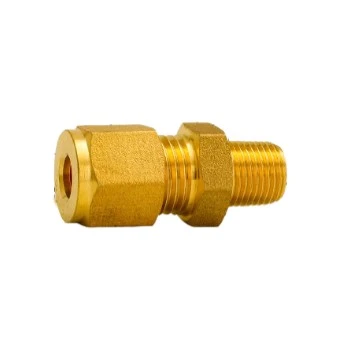
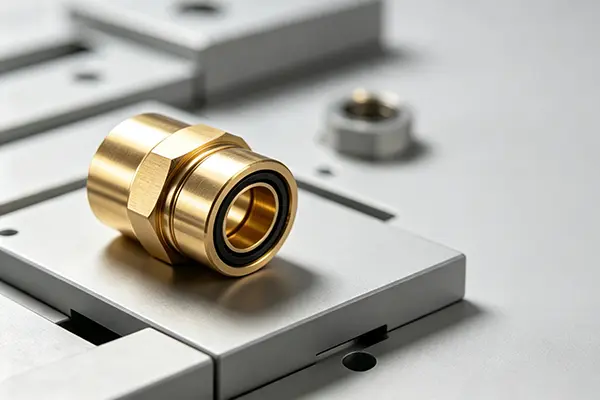
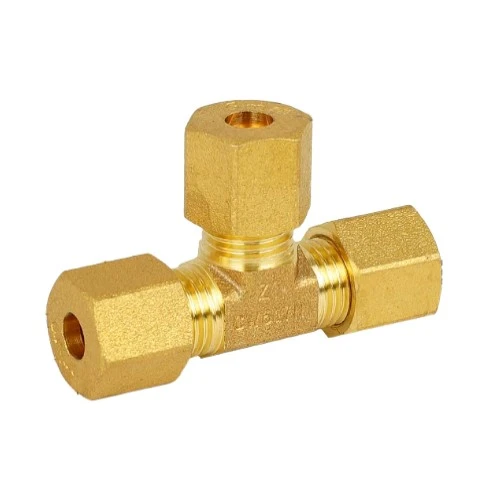
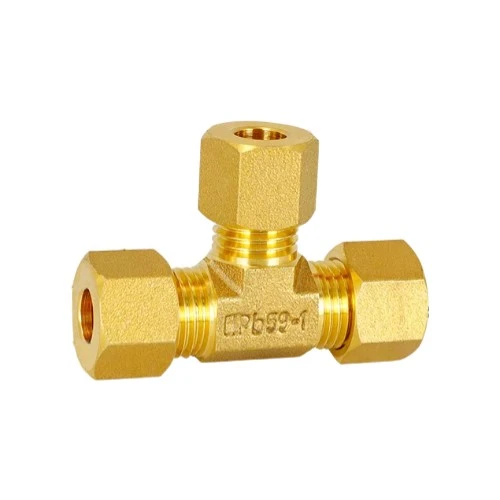
Brass Ferrule Compression Tee Connector
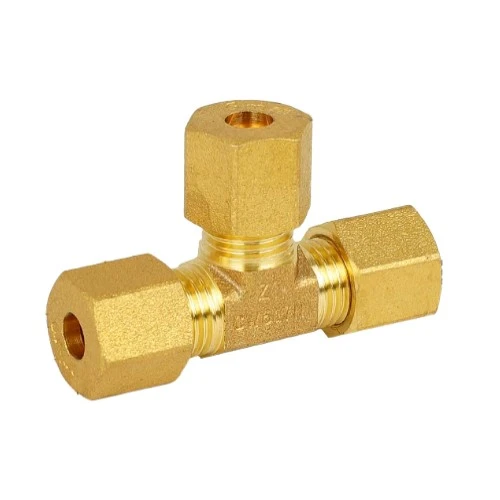
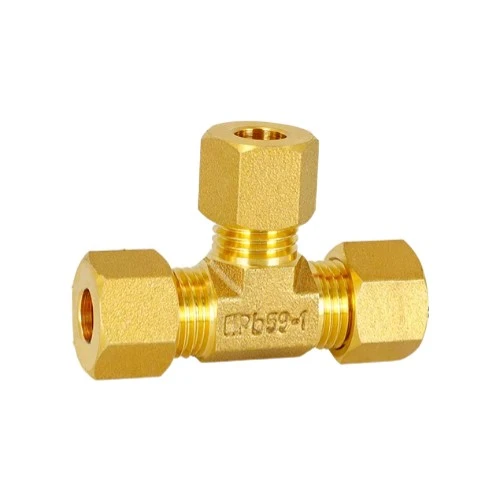
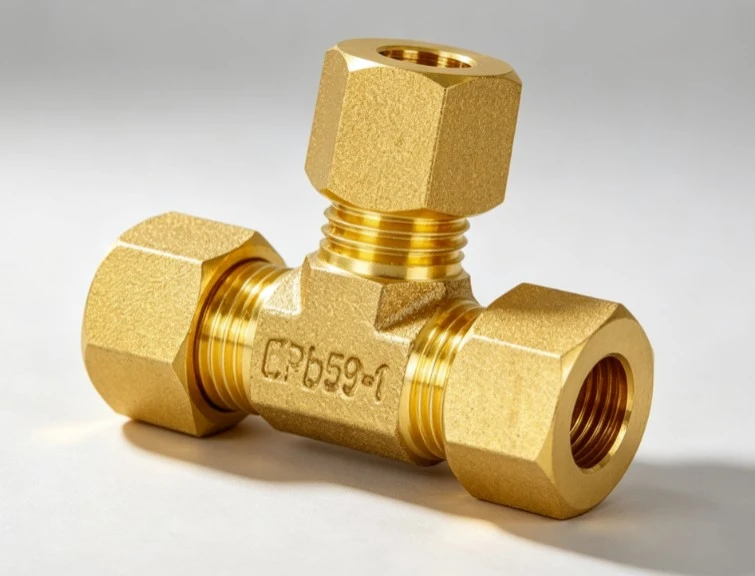
NINGXING Brass Ferrule Compression Tee Connector is a three-way tube fitting for branching pneumatic, water, oil, instrumentation, and hydraulic lines. Its body, ferrules, and nuts secure each tube through mechanical compression, creating a metal-to-metal seal without welding, flaring, or tube threading. CE and RoHS documents are available for applicable products and configurations.
The Brass Ferrule Compression Tee Connector is available for compatible copper, nylon, stainless steel, aluminum-plastic, and selected plastic tubes. Depending on the tube size, wall thickness, material, and operating conditions, applicable configurations can support nominal pressures from 1.0 MPa to 32 MPa and temperatures up to 450°C for special specifications.
Branching Function
A compression tee connects three tube sections to create a branch in a pneumatic, hydraulic, water, oil, or instrumentation line. Its integrated body reduces the number of separate elbows and adapters required, helping simplify piping layouts and reduce potential leakage points.
Equal-tee and reducing-tee configurations are available. Customers should confirm the outside diameter of each outlet, especially for reducing models.
Connection Method Comparison
| Connection Type | Installation Method | Typical Pressure Capability | Installation Speed | Maintenance and Reuse | Vibration Resistance | Tube Compatibility | Main Advantages | Main Limitations |
|---|---|---|---|---|---|---|---|---|
| Compression Tee | Insert the tube and tighten the ferrule nut | Medium to high; applicable configurations from 1.0 MPa to 32 MPa | Fast; no welding or tube threading required | Can be disconnected; ferrule inspection or replacement may be needed after repeated disassembly | Good when correctly installed and supported | Copper, nylon, stainless steel, aluminum-plastic, and selected plastic tubes | Reliable mechanical sealing, no hot work, compact structure, suitable for field and OEM installation | Requires accurate tube preparation, correct tightening, and matching tube dimensions |
| Welded Tee | Weld the branch fitting to the tube or pipe | High when welding and inspection are properly controlled | Slow; requires equipment, skilled labor, cleaning, and inspection | Difficult to remove or reuse | Very good when correctly designed and welded | Mainly weldable metallic tubes and pipes | Permanent connection and high structural strength | Requires hot-work procedures and makes field maintenance more difficult |
| Threaded Tee | Screw male and female threads together, usually with sealant | Low to medium, depending on the thread and sealing method | Moderate | Can be disconnected if threads remain undamaged | Moderate; additional support may be needed under strong vibration | Metallic tubes, pipes, and threaded adapters | Familiar installation method and broad availability | May require sealant; thread leakage or damage can affect service life |
| Push-In Tee | Push the tube into an internal collet | Low to medium, depending on tube and fitting design | Very fast; minimal tools required | Easy to disconnect, but tube ends and seals require inspection | Moderate; less suitable for severe vibration or pulling loads | Mainly pneumatic tubing and compatible plastic tubes | Fast installation for low-pressure air circuits | Less suitable for high-pressure, high-temperature, or aggressive-media applications |
The final selection should consider tube material, pressure, temperature, medium, vibration, and applicable safety requirements.
Sealing Performance
Each outlet uses a ferrule and compression nut. Tightening the nut presses the ferrule into the conical seat of the fitting body, allowing it to grip the tube and form a sealing line around its outer surface.
Performance depends on correct tube dimensions, square cutting, deburring, proper insertion, recommended tightening, and undamaged sealing surfaces. The tube should also be adequately supported to prevent excessive movement or external loading.
Tube Size Selection
The tube outside diameter must match the fitting specification. Metric and inch sizes should not be substituted unless specifically designed for that dimension.
Tube wall thickness and material affect pressure capability. For high-pressure applications, customers should provide the tube material, outside diameter, wall thickness, and working pressure.
For reducing tees, list all three outlet sizes separately, such as 10 mm × 10 mm × 6 mm, to avoid errors during quotation, production, and installation.
Installation Method
Cut the tube square, remove burrs, and clean the surface before assembly. Insert the tube fully into the fitting body until it reaches the internal stop. Keep the tube stationary while tightening the nut according to the recommended procedure.
Avoid excessive tightening, which may deform the tube, ferrule, or fitting body. During maintenance, inspect the tube end, ferrule, nut, internal cone, and sealing surfaces before reassembly. For high-pressure or safety-critical systems, replace the ferrule after repeated disassembly.
Application Cases
Refinery and Chemical Piping
In a gas-source signal piping modification project at a large refinery, the customer originally used welded fittings for instrument air lines. Maintenance required hot-work procedures, increasing labor time and safety controls.
After replacing the welded branch connections with the Brass Ferrule Compression Tee Connector, installation required no welding, tube flaring, or heating. The tube was inserted and secured by tightening the nut. Maintenance became easier, project time was shortened, and hot-work risks were eliminated. Similar connections are used in chemical, light industrial, textile, defense, metallurgy, aviation, and marine systems.
Hydraulic Machinery
An engineering machinery manufacturer experienced recurring oil seepage at hydraulic tube joints operating under strong vibration. Conventional connections gradually loosened during service.
The compression structure secures the tube through the ferrule and nut while supporting the tube inside the fitting body. After replacement, the customer reported stable performance under pressure and vibration: "The ferrule fitting stays secure after tightening, and we no longer worry about the joint opening under pressure."
Marine and Offshore Equipment
Marine piping systems require connections that can withstand temperature changes, vibration, and demanding operating conditions. The Brass Ferrule Compression Tee Connector can be used for compatible oil, water, air, and other media in shipbuilding and marine equipment.
Special configurations may be evaluated for temperatures below 450°C and nominal pressures from 1.0 MPa to 32 MPa. Marine customers should confirm classification documents and project requirements before ordering. Possible certification requirements include CCS, ABS, GL, LR, BV, NK, DNV, RINA, or KR.
Material and Media
The fitting body, nuts, and ferrules are manufactured from brass or specified brass grades. Nickel-plated versions are available for additional surface protection or appearance requirements.
Compatible tube materials may include copper, hard nylon, stainless steel, aluminum-plastic, and selected plastic tubes. Tube hardness and wall thickness must be checked, as very soft tubing may require an internal support insert.
Suitable media may include compressed air, water, lubricating oil, hydraulic oil, fuel, and other compatible fluids. For corrosive chemicals, provide the medium, concentration, temperature, pressure, and exposure time for compatibility review.
Standard Dimensions
The following table provides common BSPP straight male-thread reference dimensions used with related connection configurations. Actual tee dimensions and outlet arrangements depend on the selected model.
| Size | Alias | Nominal Thread Size | Major Diameter (mm) | Minor Diameter (mm) | Thread Pitch (mm) |
|---|---|---|---|---|---|
| 1/8 inch | DN6 | G1/8 | 9.728 | 8.566 | 0.907 |
| 1/4 inch | DN8 | G1/4 | 13.157 | 11.455 | 1.337 |
| 3/8 inch | DN10 | G3/8 | 16.662 | 14.950 | 1.337 |
| 1/2 inch | DN15 | G1/2 | 20.955 | 18.631 | 1.814 |
| 3/4 inch | DN20 | G3/4 | 26.441 | 24.117 | 1.814 |
| 1 inch | DN25 | G1" | 33.249 | 30.291 | 2.309 |
| 1-1/4 inch | DN32 | G1-1/4" | 41.910 | 38.952 | 2.309 |
| 1-1/2 inch | DN40 | G1-1/2" | 47.803 | 44.845 | 2.309 |
| 2 inch | DN50 | G2" | 59.614 | 56.656 | 2.309 |
| 2-1/2 inch | DN65 | G2-1/2" | 75.184 | 72.226 | 2.309 |
| 3 inch | DN80 | G3" | 87.884 | 84.926 | 2.309 |
| 4 inch | DN100 | G4" | 113.030 | 110.070 | 2.309 |
Note: BSPT, NPT, metric, and other configurations can be manufactured according to application requirements.
Factory Supply
NINGXING supplies distributors, hydraulic equipment manufacturers, pneumatic system integrators, shipbuilding suppliers, and industrial maintenance companies directly from the factory.
OEM production is available for equal tees, reducing tees, special outlet arrangements, custom body lengths, non-standard ferrule geometry, special plating, and customized packaging. Customers may submit drawings, samples, or dimensional requirements for review.
Standard products can normally be prepared within 3–5 days, subject to quantity and production schedule. Approved drawings and samples can be retained for recurring orders to improve batch consistency.
FAQ
How does it compare with a threaded tee?
The Brass Ferrule Compression Tee Connector seals through the ferrule and tube surface rather than relying on mating threads and sealant. Threaded tees remain suitable where threaded pipe interfaces are already standardized.
How does it compare with a push-in tee?
It generally provides stronger tube retention and is better suited to higher-pressure or vibration-prone applications. Push-in tees are faster to install but are mainly used for low-pressure pneumatic tubing.
Does it require welding?
No. The connection is assembled mechanically with the fitting body, ferrules, and compression nuts.
Which tubes are compatible?
Compatible copper, hard nylon, stainless steel, aluminum-plastic, and selected plastic tubes can be used. The tube dimensions and material must match the fitting specification.
What pressure can it handle?
Applicable configurations support nominal pressures from 1.0 MPa to 32 MPa. The actual rating depends on tube size, wall thickness, material, temperature, medium, and installation quality.
What temperature range is available?
Standard applications are commonly used below 150°C. Special configurations may be evaluated for temperatures below 450°C, subject to material and operating conditions.
Product Certification
NINGXING manufactures this product under an ISO 9001:2015 quality management system. CE and RoHS documents are available for applicable products and configurations. Marine certification requirements, including CCS, ABS, GL, LR, BV, NK, DNV, RINA, and KR, can be reviewed according to the project scope.
For product selection and quotation, provide the tube outside diameters for all three outlets, thread standard, working pressure, temperature, fluid medium, quantity, and required certification.
Hot Tags: Brass Ferrule Compression Tee Connector, Brass Compression Tee Fitting, Brass Ferrule Tee Connector
Send Inquiry
Contact Info
-
Address
No. 478, Daijia North Road, Industrial Zone, Changhe Town, Cixi City, Zhejiang Province, China
-
Tel
-
Email
Need brass rods or custom fittings? Send your drawings or samples today. ISO9001 certified, RoHS & PED compliant. Get a fast, professional quote from our expert team. Inquire now!