
Products
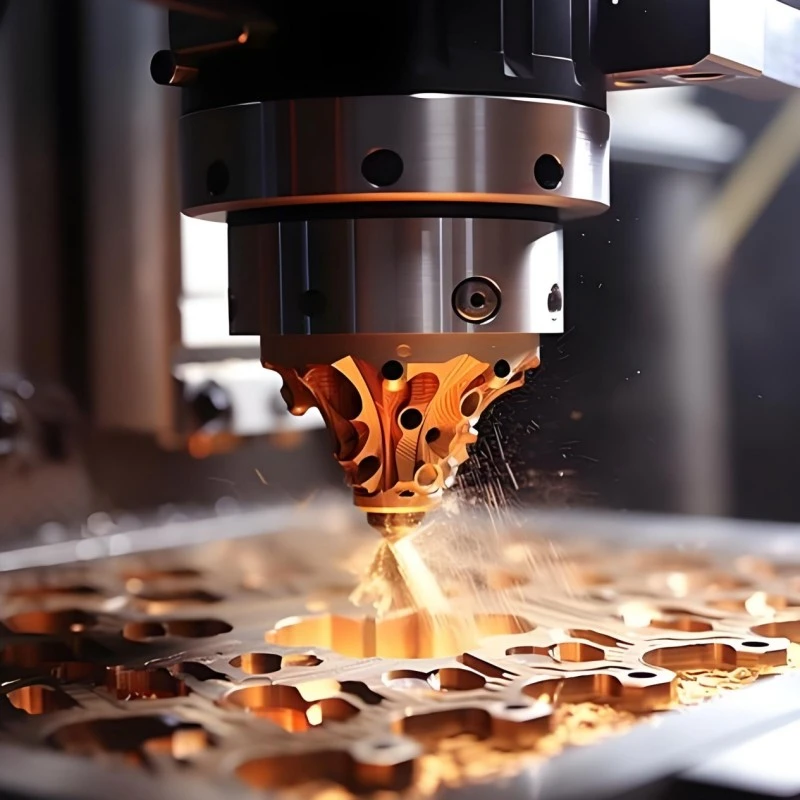
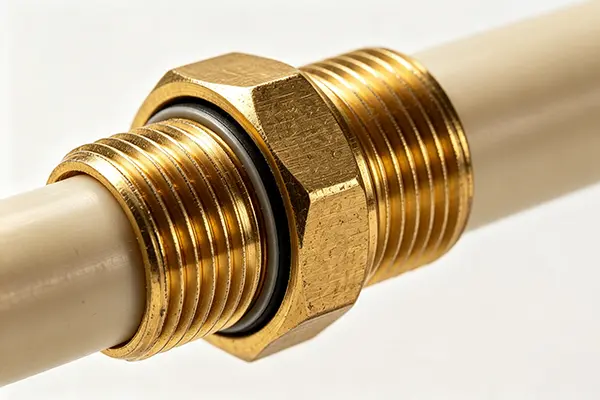
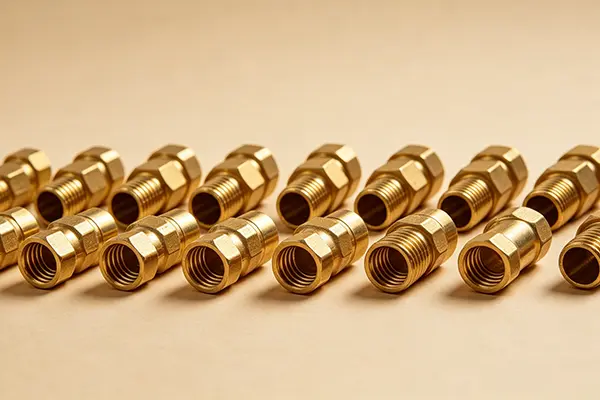
Our comprehensive product portfolio includes a wide range of brass rods (including low-lead and lead-free grades), brass fittings, and pipe components, engineered for exceptional mechanical strength, corrosion resistance, and machinability across plumbing, HVAC, automotive, and industrial applications.
Copper Hot Forging Service
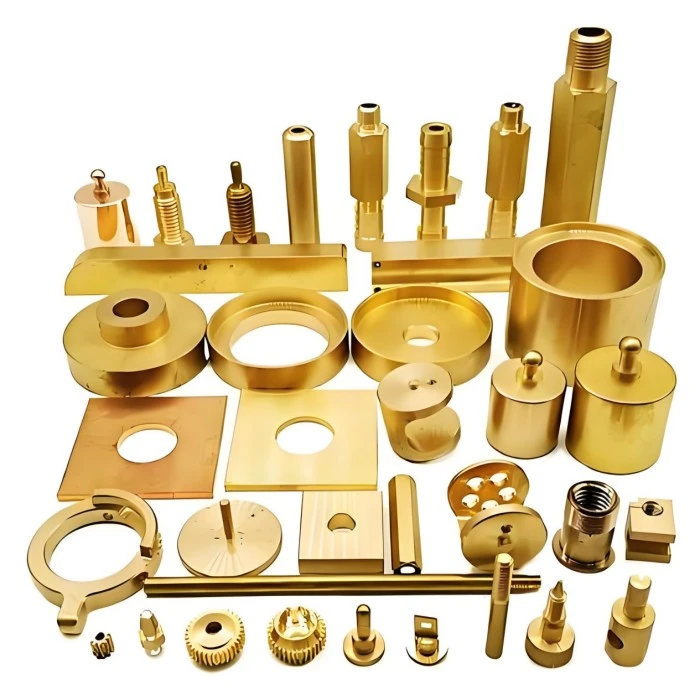
NINGXING provides custom Copper Hot Forging Service solutions for automotive, electrical, marine, machinery, and other industrial applications. With controlled heating, precision die forging, CNC machining, and strict quality inspection, we produce copper alloy components with high strength, good conductivity, and reliable dimensional consistency. Drawing and sample-based customization is supported, with ISO9001:2015, CE, and RoHS compliance for applicable projects.
Copper Hot Forging Service uses controlled heat and forming pressure to shape copper and copper alloys into customized components. Compared with machining parts from solid stock, forging can improve material utilization and structural strength, while offering better density and reliability than conventional casting for suitable applications.
NINGXING supports the complete project process from forging feasibility review and die development to forming, secondary machining, and final inspection, helping buyers reduce supplier coordination and production risks.
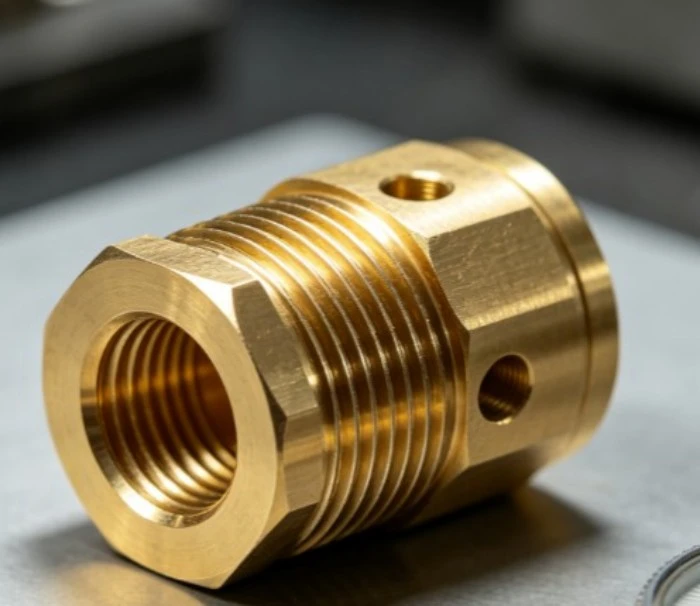
Engineering for Copper Alloy Forging
Material Flow Analysis
Copper alloys behave differently during hot deformation. Heating temperature, deformation speed, die geometry, and material properties all influence how the billet fills the cavity.
For complex or lightweight components, material flow can be evaluated during engineering development to reduce incomplete filling, folding, cracking, and excessive machining allowance.
Forging Allowance and Draft
Forged parts normally require allowances for subsequent machining. The allowance should be determined according to the forging method, component size, dimensional requirements, and machining process.
Suitable draft angles also help the forged component release from the die while reducing unnecessary forming resistance.
Lightweight Structure Optimization
A properly designed forging can reduce unnecessary material while maintaining structural strength. NINGXING has developed lightweight irregular forgings using optimized material-flow distribution.
In one customer project, replacing conventional casting with hot forging reduced wall thickness by 20% and increased material utilization to more than 85%.
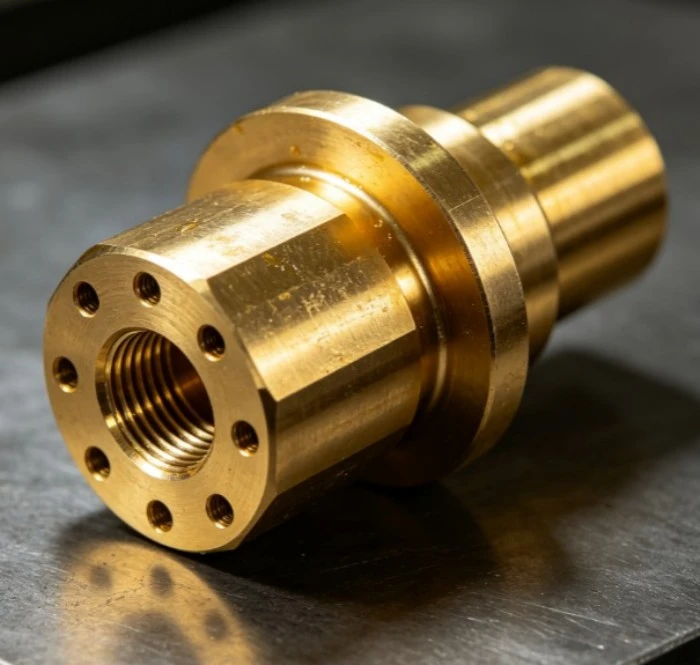
Tooling Development
Custom Die Manufacturing
The forging die is developed according to the component geometry, material grade, production volume, and required machining allowance.
NINGXING supports custom die development together with forging production, allowing tooling parameters to be adjusted according to actual production results rather than relying only on theoretical calculations.
Die Life and Maintenance
For volume production, die condition directly affects dimensional consistency and production efficiency. Regular inspection and maintenance help control wear on forming surfaces and reduce unexpected production interruptions.
Tooling requirements can be evaluated according to production quantity and component complexity before quotation.
Prototype Validation
For new projects, prototype or trial forging can be used to verify filling, dimensions, surface condition, machining allowance, and material performance before full-scale production.
This gives buyers an opportunity to confirm the component before committing to larger production volumes.
Production Capacity
Forging Equipment Selection
NINGXING operates forging equipment including 4000-ton, 2500-ton, 1000-ton, 630-ton, and other forging machines. Equipment selection is based on component size, material, projected forming force, and die structure.
This allows different production requirements to be matched with appropriate forming equipment instead of using the same process for every component.
Automated Production Lines
Automated and semi-automated production equipment can support billet heating, forming, handling, and subsequent processing.
Medium-frequency induction heating provides controlled temperature conditions for copper alloys. Typical processing temperatures range from approximately 650°C to 950°C depending on the material grade.
Batch Consistency
Stable production requires consistent heating, forming pressure, cycle parameters, and inspection standards. Process parameters can be documented for repeat orders to reduce variation between production batches.
More than 70 CNC machining centers and supporting equipment are available for post-forging operations.
Post-Forging Options
Heat Treatment
Heat treatment can be selected according to alloy requirements and the desired mechanical properties.
Stress-relief treatment can help reduce residual stress after forming, while solution and aging treatments may be considered for specific copper alloys requiring additional mechanical performance.
CNC Machining
Forged blanks can be finished through turning, milling, drilling, tapping, and other CNC operations.
After machining, dimensional tolerances can reach approximately ±0.05 mm for suitable features, with surface roughness down to Ra 1.6 μm depending on the component structure and machining method.
Surface Finishing
Depending on the final application, parts can receive polishing, blasting, passivation, electroplating, or other finishing processes.
Electrical components may require specific contact-surface treatment, while sanitary and decorative components may prioritize appearance and corrosion resistance.
Industry-Specific Solutions
New Energy Vehicle Components
Copper forging is increasingly used in high-current electrical systems for electric vehicles.
Applications include high-voltage connectors, battery connection components, charging interfaces, motor electrical connections, electronic control components, and thermal management substrates.
A new energy vehicle component manufacturer achieved a 15% improvement in production efficiency and a 10% reduction in energy consumption after replacing its conventional casting process with hot forging. Material utilization increased to more than 85%, while wall thickness was reduced by 20%.
High-Voltage Electrical Parts
Copper components used in high-voltage equipment require stable conductivity, dimensional accuracy, and resistance to thermal effects.
Typical applications include electrical contacts, conductive busbars, transformer terminals, and other current-carrying components. Depending on the selected alloy, conductivity can reach or exceed 75% IACS.
Marine and Machinery Components
Copper alloys are suitable for selected marine and machinery applications because of their corrosion resistance, wear resistance, and mechanical properties.
Potential applications include marine shafts, machinery gears, bearing housings, connecting components, and other parts operating in demanding environments.
Material Selection Guide
Pure Copper
T2 and C11000 are commonly considered for applications where electrical and thermal conductivity are primary requirements.
These materials are suitable for conductive components, heat dissipation parts, and selected electrical applications where high copper content is required.
Brass Alloys
HPb59-1, H62, and C37700 provide a balance of strength, machinability, and corrosion resistance.
They are commonly used for valves, fittings, connectors, sanitary components, and mechanical parts.
Bronze and Lead-Free Alloys
QSn6.5-0.1 can be selected for applications requiring wear resistance and elastic properties.
Lead-free copper alloys such as C49250–C49355 can be considered for drinking-water systems where material compliance is an important purchasing requirement.
Quality Verification
Dimensional Inspection
Inspection equipment includes coordinate measuring machines, optical measuring systems, height gauges, and other precision instruments.
Critical dimensions can be checked against customer drawings after forging and CNC machining to confirm dimensional consistency.
Mechanical Testing
Depending on project requirements, hardness and tensile strength can be tested to verify the required mechanical properties.
Material and heat-treatment specifications are reviewed before testing to ensure that the results are evaluated against the correct standard.
Internal Defect Detection
Ultrasonic and magnetic particle inspection can be used when internal or surface defect detection is required.
For conductive components, electrical conductivity or resistivity testing can also be included in the inspection plan.
Cost and Delivery
Tooling Cost Factors
Tooling cost depends on part geometry, material, forging size, die structure, production volume, and expected die life.
For high-volume projects, tooling investment can often be distributed across a larger number of components, making the unit cost more competitive.
Production Lead Time
Standard customized projects generally require approximately 15–30 working days. Projects involving new die development may require additional time for tooling manufacture and sample validation.
The final schedule is confirmed after reviewing the drawing, material, quantity, tooling requirements, and secondary machining process.
Volume Pricing
Pricing is evaluated according to material consumption, forging weight, tooling requirements, machining operations, surface treatment, inspection standards, and order quantity.
As a direct manufacturer, NINGXING can coordinate tooling, forging, machining, and inspection within one production system, helping reduce additional outsourcing costs.
Frequently Asked Questions
What Information Is Needed for a Forging Quote?
A drawing, 3D model, sample, or technical specification is preferred. Material grade, annual quantity, critical tolerances, surface requirements, and inspection standards can also help produce a more accurate quotation.
How Is the Forging Method Selected?
The forging method is selected according to part geometry, material characteristics, production volume, required strength, dimensional requirements, and available machining allowance.
Can Existing Cast Parts Be Converted to Forgings?
In many cases, a cast component can be redesigned for forging, but the geometry usually needs to be reviewed. Draft, wall thickness, parting lines, radii, and material flow may need modification.
Is New Tooling Required for Every Custom Part?
A new or modified die is normally required when the component has a unique geometry. Existing tooling may be suitable only when the dimensions and structure are sufficiently compatible.
Can Forged Blanks Be Machined to Final Dimensions?
Yes. CNC turning, milling, drilling, tapping, and other machining operations can be performed after forging to achieve the final drawing dimensions.
How Long Does Tooling Development Take?
The tooling schedule depends on part complexity, die size, material, design revisions, and sample requirements. The exact timeline is confirmed after engineering review.
Request a Project Evaluation
Customers can submit drawings, samples, or 3D models for technical review. NINGXING can evaluate material selection, forging feasibility, tooling requirements, machining allowances, quality standards, and expected production volume.
For a customized Copper Hot Forging Service, early engineering review can help identify potential manufacturing risks before tooling investment and support a more predictable production schedule.
NINGXING operates under an ISO9001:2015 quality management system, with applicable products available according to CE and RoHS requirements.
Hot Tags: Copper Hot Forging Service, Copper Forging Manufacturer, Custom Copper Forging
Send Inquiry
Contact Info
-
Address
No. 478, Daijia North Road, Industrial Zone, Changhe Town, Cixi City, Zhejiang Province, China
-
Tel
-
Email
Need brass rods or custom fittings? Send your drawings or samples today. ISO9001 certified, RoHS & PED compliant. Get a fast, professional quote from our expert team. Inquire now!