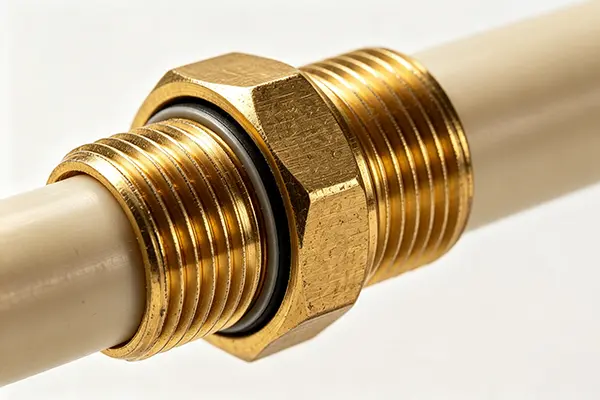

Products
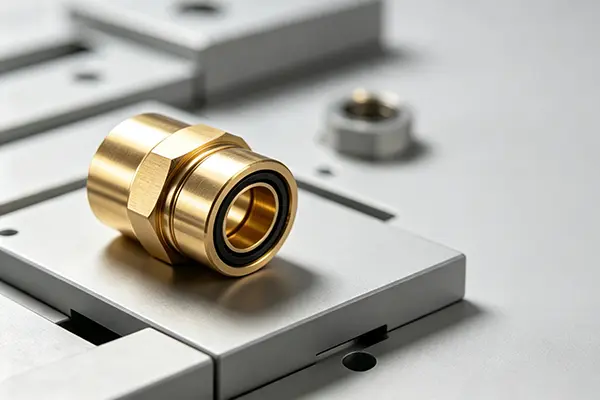
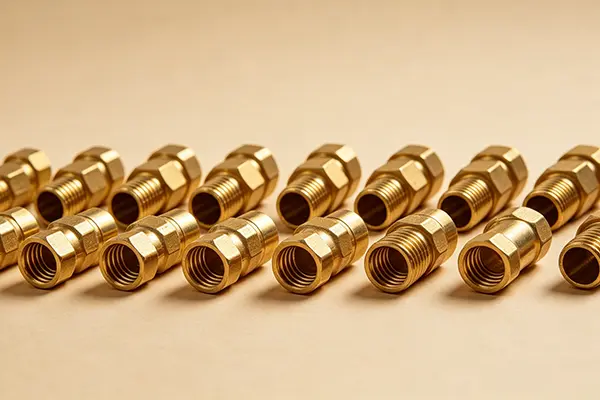
Our comprehensive product portfolio includes a wide range of brass rods (including low-lead and lead-free grades), brass fittings, and pipe components, engineered for exceptional mechanical strength, corrosion resistance, and machinability across plumbing, HVAC, automotive, and industrial applications.
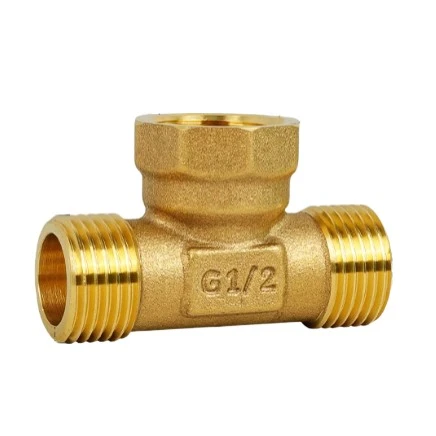
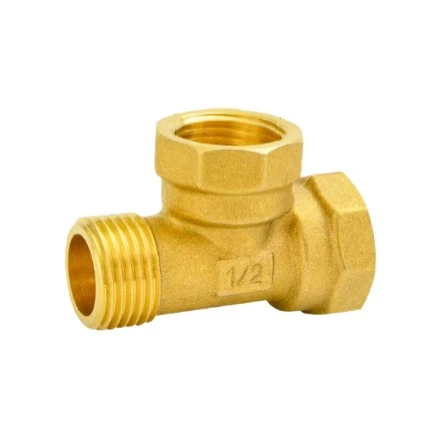
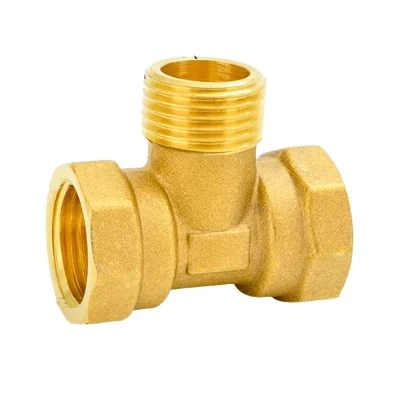
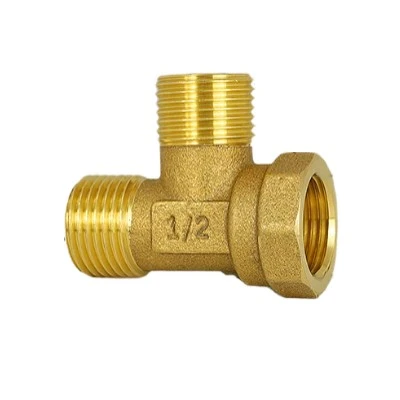
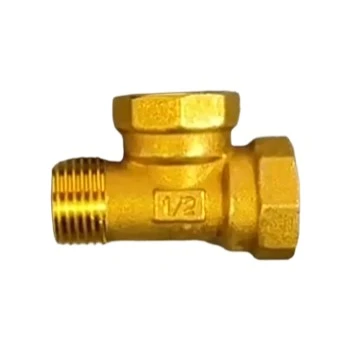
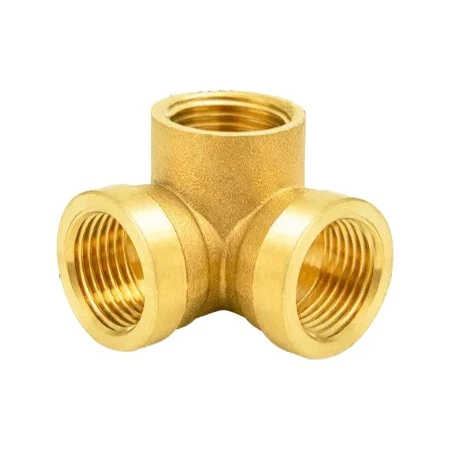
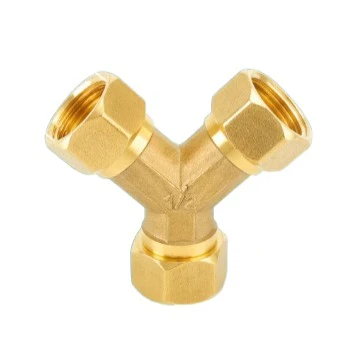
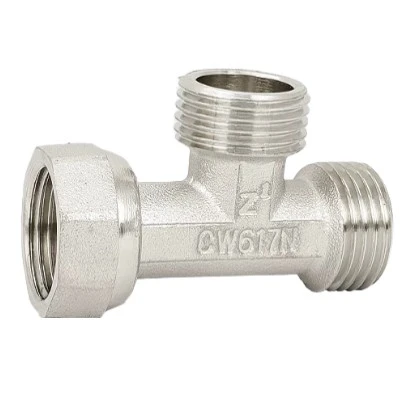
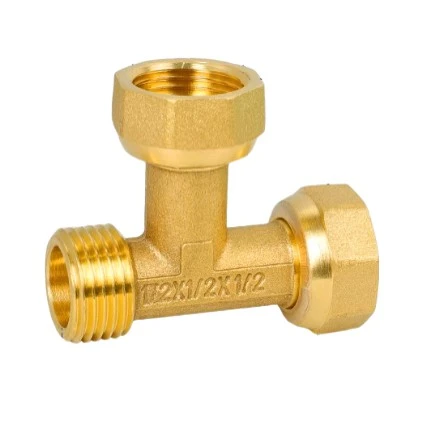
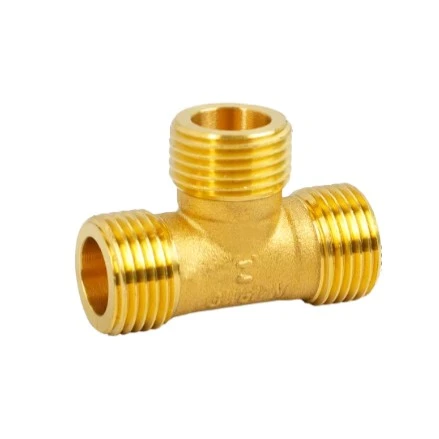
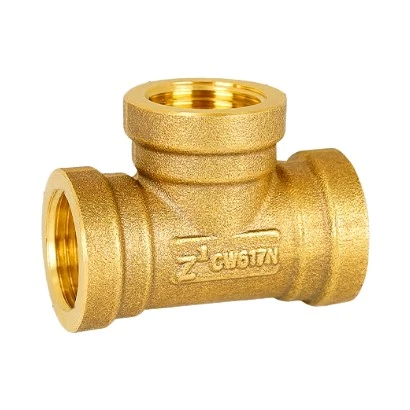
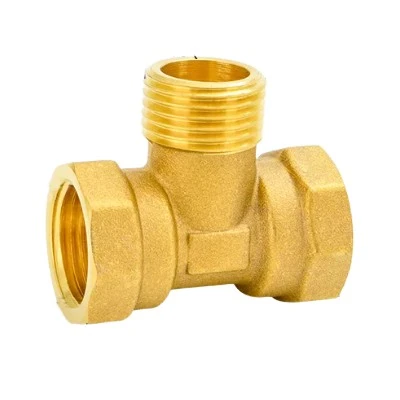
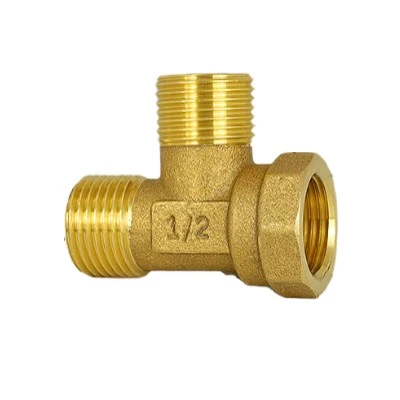
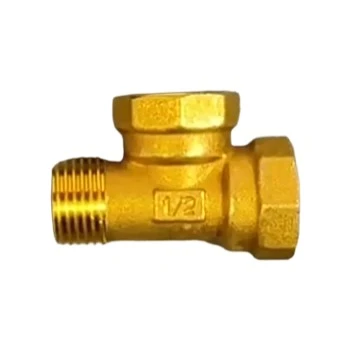
Brass Three-Way Male-Female Thread Connector
Designed for pipe systems that require branching and mixed-thread connections, the NINGXING Brass Three-Way Male-Female Thread Connector combines male and female threaded ports in one compact body. Its forged brass construction provides mechanical strength and corrosion resistance, while precision-machined threads help maintain consistent engagement during installation. Available in BSP, BSPT, BSPP, NPT and other thread configurations, it can be specified for water, compressed air, oil, HVAC and other suitable low- to medium-pressure applications.
The NINGXING Brass Three-Way Male-Female Thread Connector is manufactured from brass and can be configured with different port combinations according to the application. The threaded structure provides a mechanical connection, while an appropriate thread sealant or gasket is selected according to the thread type and system requirements.
The fitting is suitable for water, compressed air, oil and other compatible media. For gas, potable water, oxygen, refrigerant or chemically aggressive media, material compatibility and applicable local regulations should be confirmed before ordering.
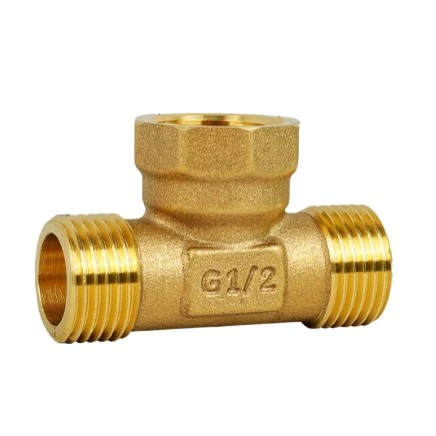
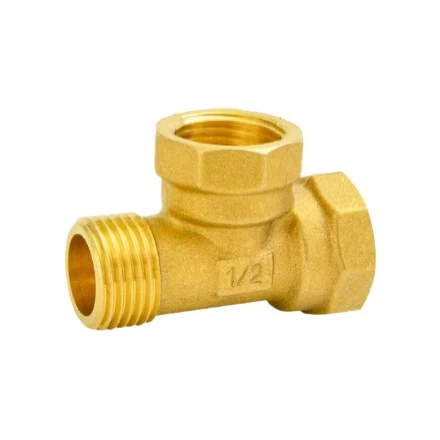
Thread Options
BSPT, BSPP and NPT should not be treated as interchangeable thread types. Their geometry and sealing principles are different.
BSPT is a tapered pipe thread. The male and female threads engage progressively, and sealing is generally achieved through the interference between the tapered threads together with a suitable thread sealant.
BSPP is a parallel pipe thread. The thread itself is not normally the primary sealing surface. Depending on the fitting design, sealing is commonly achieved with a gasket, bonded seal, O-ring or another dedicated sealing element.
NPT is also a tapered pipe thread, but its thread profile and dimensions differ from BSPT. NPT and BSPT should not be directly mixed, even when the nominal size appears similar.
For procurement, buyers should specify the thread standard, nominal size and port configuration rather than ordering only by diameter.
Selection Factors
Choosing the correct configuration involves more than selecting the nominal pipe size. Thread type, pressure, temperature, media and installation space should all be considered before purchasing.
1. Pressure and Temperature
For standard configurations, a reference working pressure of up to 1.6 MPa (16 bar) can be used for preliminary selection. The actual allowable pressure must be confirmed against the specific size, material grade, thread configuration and application conditions.
A typical reference temperature range is -20℃ to +120℃. Temperature changes can affect brass strength, sealing materials and the allowable working pressure, so applications outside this range should be technically confirmed before production.
The pressure and temperature values above are reference values rather than universal ratings for every configuration.
2. Material Compatibility
Brass offers good resistance to oxidation and corrosion in many common water, air and oil applications. It also provides good machinability, making it suitable for precision-threaded fittings.
For seawater, strong acids, strong alkalis or other aggressive chemicals, buyers should confirm material compatibility before selection. For drinking-water applications, RoHS compliance alone does not mean the fitting is certified for potable water. A suitable drinking-water certification or low-lead material requirement must be confirmed separately.
Gas applications also require confirmation of applicable local gas regulations, material requirements and certification before installation.
Project Applications
The three-port configuration is particularly useful where pipe branching is required without building a complicated assembly from several separate fittings.
1. Residential Gas Branching
In one residential project, the customer needed to connect a gas stove and gas water heater to a single incoming gas line. Rebuilding the pipeline would have required wall modifications and increased installation costs. The NINGXING Brass Three-Way Male-Female Thread Connector was used to create the required branch connection. After installation, the system passed the required gas-tightness test and has operated without reported leakage for three years.
2. Factory Air Distribution
A vehicle-parts manufacturing plant needed to distribute compressed air from one air source to three production lines. Different equipment interfaces used both male and female threads. The mixed-thread configuration allowed the engineering team to connect the lines without adding multiple adapters. The precision-machined threads maintained stable connections under the project's 1.6 MPa operating pressure.
3. Marine Cooling Water
A shipping company used the fitting during maintenance of a cargo vessel's cooling-water system. The installation required three branches within a restricted machinery-space area. The compact brass body reduced the number of separate connection points, while the threaded connections provided convenient access for future maintenance. For marine applications, the suitability of the specific brass grade and surface treatment should be confirmed according to the water and environmental conditions.
Product Comparison
| Item | Three-Way Male/Female Brass Adapter | Brass Tee | Brass Elbow | Equal Fitting |
|---|---|---|---|---|
| Main Function | Branching with mixed thread conversion | Branching | Directional change | Standard connection |
| Additional Adapter Needed | Usually no | Sometimes | No | Depends on configuration |
The main advantage of the three-way configuration is that it combines branching and thread conversion in one component. This can reduce the number of individual fittings and potential connection points in a pipe assembly.
Manufacturing & Inspection
1. Forged Brass Body
The brass blank is formed through forging to produce a relatively dense body structure suitable for threaded pipe applications. Forging also provides a stable base for subsequent machining of the three ports.
2. Precision Threading
CNC machining is used to process the male and female threaded sections. Thread gauges and dimensional inspection equipment are used to verify thread dimensions, pitch and fit before shipment.
3. Leak & Torque Testing
Finished fittings can be subjected to leak testing and torque-related inspections according to the specified production requirements. These checks help identify thread defects, machining problems and sealing issues before delivery.
NINGXING operates under an ISO 9001:2015 quality management system and can provide CE and RoHS documentation for applicable products and orders.
Dimensions & Options
The following dimensions are reference values for commonly supplied thread sizes. Actual dimensions should be confirmed against the selected thread standard and product drawing.
| Size | Alias | Nominal Thread Size | Major Diameter (mm) | Minor Diameter (mm) | Thread Pitch (mm) |
|---|---|---|---|---|---|
| 1/8 inch | DN6 | G1/8 | 9.728 | 8.566 | 0.907 |
| 1/4 inch | DN8 | G1/4 | 13.157 | 11.455 | 1.337 |
| 3/8 inch | DN10 | G3/8 | 16.662 | 14.950 | 1.337 |
| 1/2 inch | DN15 | G1/2 | 20.955 | 18.631 | 1.814 |
| 3/4 inch | DN20 | G3/4 | 26.441 | 24.117 | 1.814 |
| 1 inch | DN25 | G1" | 33.249 | 30.291 | 2.309 |
| 1-1/4 inch | DN32 | G1-1/4" | 41.910 | 38.952 | 2.309 |
| 1-1/2 inch | DN40 | G1-1/2" | 47.803 | 44.845 | 2.309 |
| 2 inch | DN50 | G2" | 59.614 | 56.656 | 2.309 |
| 2-1/2 inch | DN65 | G2-1/2" | 75.184 | 72.226 | 2.309 |
| 3 inch | DN80 | G3" | 87.884 | 84.926 | 2.309 |
| 4 inch | DN100 | G4" | 113.030 | 110.070 | 2.309 |
Custom port combinations, metric threads, BSP/NPT configurations, surface finishes and laser marking can be supplied according to drawings or samples.
Installation & Troubleshooting
Correct installation is important because thread damage or incorrect thread matching can cause leakage even when the fitting itself meets dimensional requirements.
1. Installation Procedure
Before installation, clean the mating threads and check that the male and female threads have the same standard and nominal size. Apply a suitable PTFE tape or thread sealant when required by the selected thread type. Start the connection by hand to avoid cross-threading, then tighten with the appropriate wrench. Do not use excessive torque, as over-tightening may deform the fitting or damage the threads.
For BSPP connections, check whether the design requires an O-ring, gasket or bonded seal rather than relying on the parallel threads themselves for sealing.
2. Common Installation Errors
Wrong thread standard: BSPT, BSPP and NPT may have similar nominal sizes but are not interchangeable. Replace the fitting with the correct thread specification instead of forcing the connection.
Cross-threading: If the fitting becomes difficult to screw in during the first turns, stop and realign the parts. Continuing to tighten may permanently damage the threads.
Insufficient sealing material: Leakage from a threaded joint may occur when the selected connection requires thread sealant but none is applied. Clean the threads and reinstall using a suitable sealing method.
Excessive tightening: Excessive torque can damage brass threads or cause deformation. Use the supplier's recommended torque where available.
Wrong sealing method for BSPP: Applying more PTFE tape will not solve every BSPP sealing problem. Check whether the fitting requires a gasket, O-ring or bonded seal.
Compliance & Customization
NINGXING supplies brass fittings for international B2B customers with documentation and configurations adapted to different markets.
1. Certifications
The product line can be supplied with ISO 9001:2015, CE and RoHS documentation according to the applicable product configuration and order requirements.
RoHS addresses restricted substances and environmental compliance. It should not be presented as drinking-water certification. For potable-water projects, buyers should separately request the required drinking-water approval or low-lead material specification.
For gas applications, local regulations and project-specific certification requirements should be confirmed before purchase.
2. OEM & ODM
NINGXING supports customization of thread standards, port combinations, dimensions, surface finishes, packaging and laser-marked logos. Customers can provide drawings, samples or technical specifications for evaluation before mass production.
FAQ
Q1: What is the working pressure of the fitting?
A: A reference working pressure of up to 1.6 MPa (16 bar) can be used for preliminary selection. The final rating depends on size, thread type, material, temperature and installation conditions.
Q2: What is the working temperature range?
A: A typical reference range is -20℃ to +120℃. Applications outside this range should be confirmed according to the specific material and sealing configuration.
Q3: Can BSPT and BSPP be used together?
A: They should not be treated as the same thread. BSPT is tapered and generally uses thread interference plus sealant, while BSPP is parallel and normally requires a gasket, O-ring or another sealing element depending on the fitting design.
Q4: Can NPT be connected directly to BSP?
A: Direct connection is not recommended. NPT and BSP threads have different profiles and dimensional specifications. The correct thread standard or a suitable certified adapter should be selected.
Q5: Can this fitting be used for drinking water?
A: RoHS compliance does not establish potable-water suitability. For drinking-water applications, please request the appropriate low-lead material and drinking-water certification for the destination market.
Q6: Is it suitable for gas systems?
A: Brass can be used in certain gas applications, but gas projects must meet applicable local regulations and certification requirements. The specific material, thread and sealing configuration should be confirmed before ordering.
Why Specify NINGXING
For buyers sourcing brass pipe fittings for OEM production, distribution or engineering projects, NINGXING provides configurable thread combinations, brass material options and batch quality control. The Brass Three-Way Male-Female Thread Connector can be specified according to the actual pipe standard, pressure requirement and connection arrangement rather than relying on nominal size alone. For samples, drawings, certification documents or bulk quotations, customers can provide the required thread standard, size, port configuration, working pressure, temperature and application medium so that the appropriate specification can be confirmed before production.
Hot Tags: Brass Three-Way Male-Female Thread Connector, China, Manufacturer, Supplier, Factory
Related Category
Send Inquiry
Contact Info
-
Address
No. 478, Daijia North Road, Industrial Zone, Changhe Town, Cixi City, Zhejiang Province, China
-
Tel
-
Email
Need brass rods or custom fittings? Send your drawings or samples today. ISO9001 certified, RoHS & PED compliant. Get a fast, professional quote from our expert team. Inquire now!