
Products
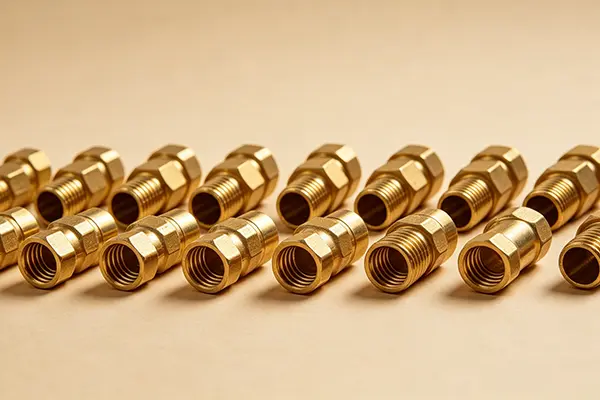
Our comprehensive product portfolio includes a wide range of brass rods (including low-lead and lead-free grades), brass fittings, and pipe components, engineered for exceptional mechanical strength, corrosion resistance, and machinability across plumbing, HVAC, automotive, and industrial applications.
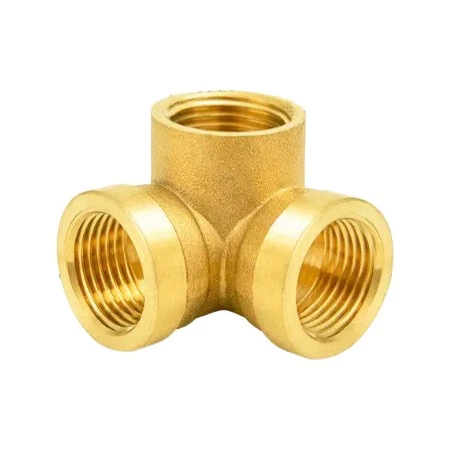
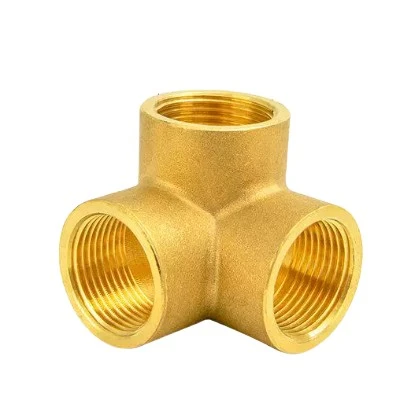
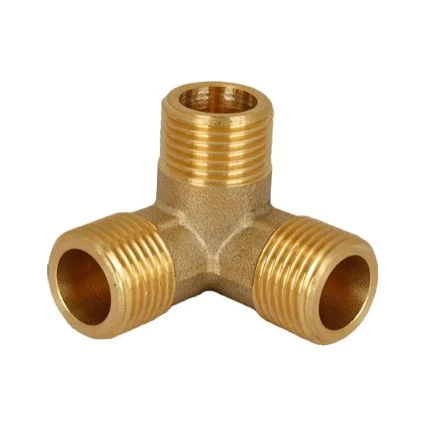
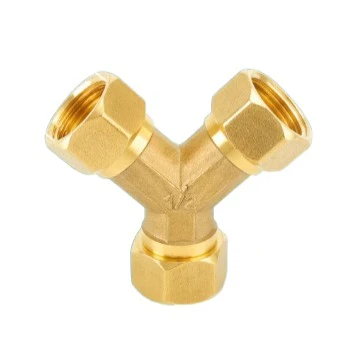
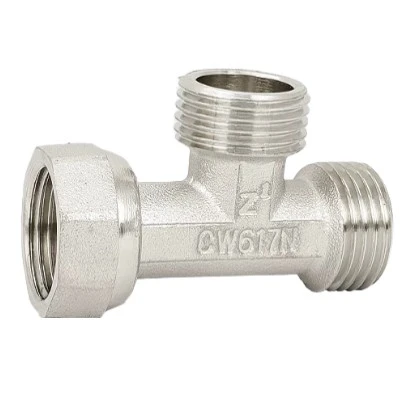
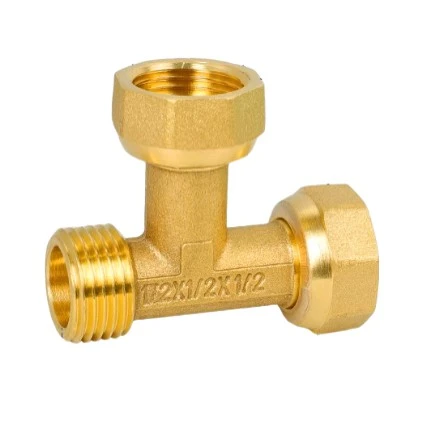
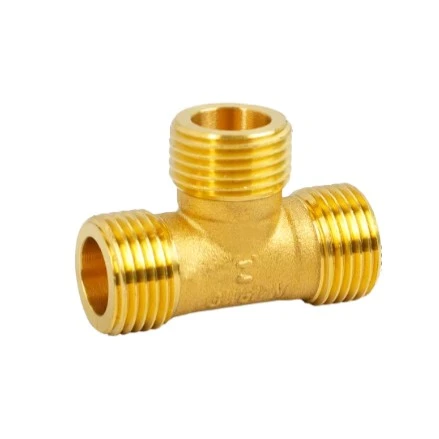
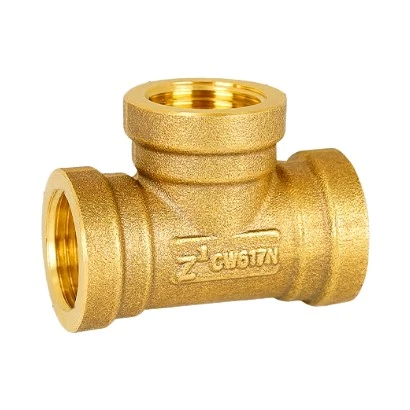
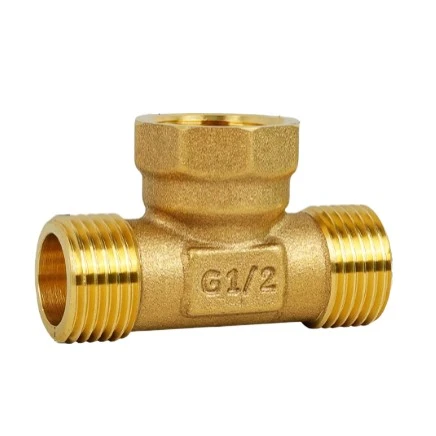
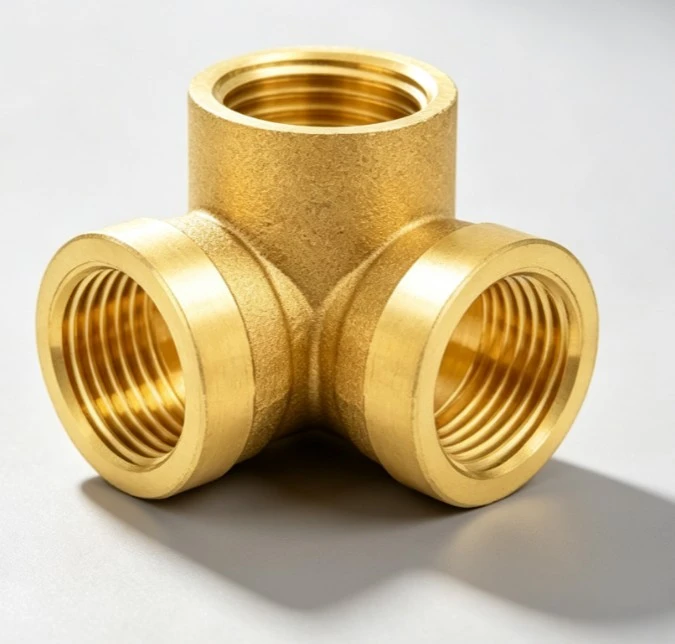
Brass Wall Corner Three-Way Connector
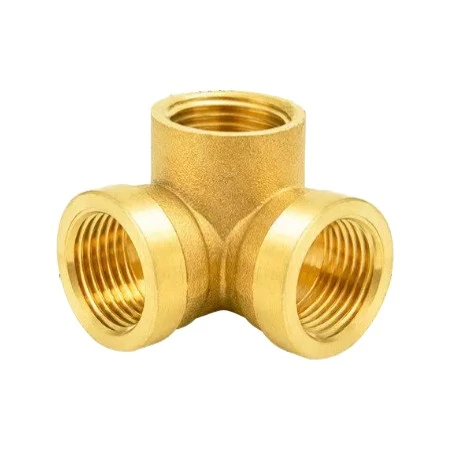
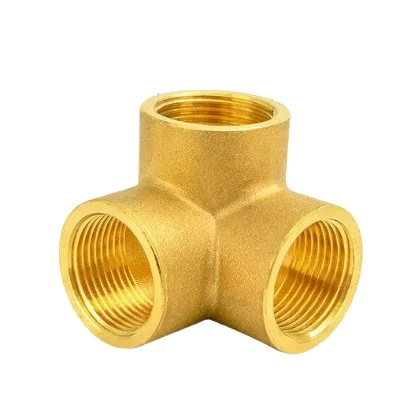
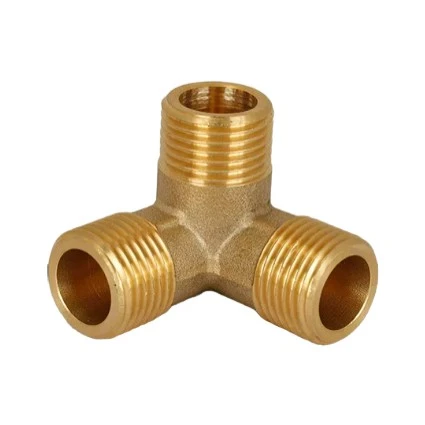
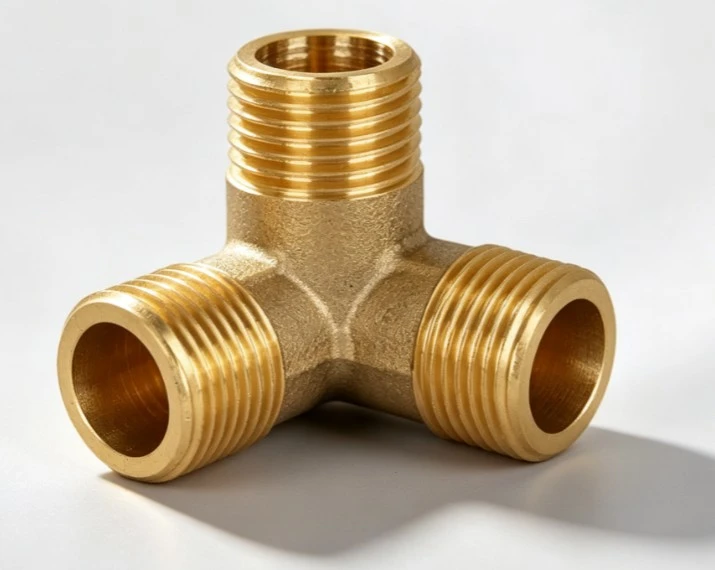
NINGXING Brass Wall Corner Three-Way Connector is designed for piping systems that require a 90-degree turn and two-way branching in a compact space. Its integrated structure replaces the need for a separate elbow and tee, simplifying installation around walls, cabinets, equipment, and other narrow areas.
Made from forged brass, the Brass Wall Corner Three-Way Connector offers good strength, corrosion resistance, and dimensional stability. It is available in multiple thread sizes and surface finishes, with OEM customization and bulk supply available for distributors and engineering buyers.
Key Features
Compact Three-Way Design
The fitting combines corner routing and flow distribution in one component. It provides one main connection and two branch outlets, helping reduce the number of fittings, connection points, installation steps, and potential leakage risks.
Forged Brass Construction
Brass billets are hot forged and annealed to improve material density and reduce internal stress. Compared with cast fittings, the forging process helps provide a stronger and more consistent structure for repeated installation and long-term service.
Precision-Machined Threads
CNC machining helps maintain consistent thread dimensions and reliable pipe engagement. The standard thread follows ISO 228-1 and is suitable for BSP-style connections. Thread type should be confirmed before ordering because parallel and tapered threads require different sealing methods.
Product Comparison
| Comparison Item | Brass Wall Corner Three-Way Connector | Elbow + Tee Combination | Ordinary Three-Way Connector |
|---|---|---|---|
| Main function | Combines a 90-degree turn with two-way branching | Achieves corner routing and branching through two separate fittings | Provides three-way branching without an integrated corner route |
| Number of components | One integrated fitting | Usually two fittings plus additional sealing materials | One fitting, but may require an extra elbow for corner installation |
| Installation space | Compact and suitable for wall corners, cabinets, and equipment interiors | Requires more space because of the added connection length and fitting body | Suitable for open layouts but less efficient in corner routing |
| Connection points | Fewer connection points | More connection points and more potential leakage locations | Fewer points than a combination, but an additional elbow may be needed |
| Installation work | Simplified alignment and tightening | Requires separate alignment, tightening, and sealing of the elbow and tee | Simple for straight branching, but less suitable for 90-degree corner layouts |
| Flow arrangement | Designed for corner routing and two branch outlets | Flexible, but the final layout depends on the orientation of both fittings | Mainly intended for branching along a common connection direction |
| Maintenance | Fewer components to inspect | More joints and components to inspect | Easy to replace, but may need additional fittings in restricted spaces |
| Best suited for | Compact plumbing, equipment connections, drainage branches, and selected gas applications | General-purpose systems where space is available and layout flexibility is more important | Straight branch connections without a dedicated corner-routing requirement |
The integrated design is not intended to replace every conventional tee or elbow. Its main advantage is the combination of corner routing and branching in a single compact component. Buyers should select the appropriate structure according to pipe direction, available space, medium, pressure, temperature, and applicable regulations.
Performance
The standard configuration has a nominal pressure rating of 1.6 MPa, approximately 16 bar, and a working temperature range of -20°C to 120°C. It can be used for water, air, oil, gas, and other non-corrosive or mildly corrosive media, subject to actual system requirements and local regulations.
The lower operating limit of -20°C makes the fitting more suitable for cold environments, outdoor installations, equipment rooms, and seasonal applications than a configuration starting at -10°C. Actual performance may also depend on the pipe material, sealing compound, installation method, pressure fluctuations, and the characteristics of the conveyed medium.
Brass provides good corrosion resistance in common plumbing environments. Brushed or electroplated finishes are available for improved surface protection and appearance.
Application Cases
Bathroom One-Inlet-to-Two-Outlet Connection
When one bathroom connection needs to supply both a washing machine and a water heater, the fitting can divide one inlet into two outlets without extensive pipe reconstruction. The 90-degree structure can help route the branches along a wall or toward nearby equipment while reducing the need for a separate elbow.
The existing connection should be checked for thread compatibility, nominal size, pressure, and sealing requirements before installation.
Air Conditioner Drainage Branching
The Brass Wall Corner Three-Way Connector can replace a plastic branch connector in compatible air-conditioning drainage systems. It is suitable for drainage pipes of approximately 16 mm and 20 mm, providing a more rigid connection and improved resistance to deformation.
Before replacement, confirm the actual pipe outside diameter, connection method, drainage direction, and available installation space. The fitting should be installed with sufficient slope and should not create a low point where condensate can accumulate.
Size Selection
Confirm the thread type and nominal size before ordering. Do not rely only on visual measurements; check the existing pipe interface and connection standard. The nominal size, thread form, major diameter, pitch, and sealing method should all be considered when matching the fitting with the pipeline.
| Size | Alias | Nominal Thread Size | Major Diameter (mm) | Minor Diameter (mm) | Thread Pitch (mm) |
|---|---|---|---|---|---|
| 1/8 inch | DN6 | G1/8 | 9.728 | 8.566 | 0.907 |
| 1/4 inch | DN8 | G1/4 | 13.157 | 11.455 | 1.337 |
| 3/8 inch | DN10 | G3/8 | 16.662 | 14.950 | 1.337 |
| 1/2 inch | DN15 | G1/2 | 20.955 | 18.631 | 1.814 |
| 3/4 inch | DN20 | G3/4 | 26.441 | 24.117 | 1.814 |
| 1 inch | DN25 | G1" | 33.249 | 30.291 | 2.309 |
| 1-1/4 inch | DN32 | G1-1/4" | 41.910 | 38.952 | 2.309 |
| 1-1/2 inch | DN40 | G1-1/2" | 47.803 | 44.845 | 2.309 |
| 2 inch | DN50 | G2" | 59.614 | 56.656 | 2.309 |
| 2-1/2 inch | DN65 | G2-1/2" | 75.184 | 72.226 | 2.309 |
| 3 inch | DN80 | G3" | 87.884 | 84.926 | 2.309 |
| 4 inch | DN100 | G4" | 113.030 | 110.070 | 2.309 |
Customized sizes can be discussed according to project requirements. For bulk orders, buyers should confirm whether the required connection is BSPP parallel thread, BSPT tapered thread, or another regional standard.
Thread Sealing Guidance
Parallel Threads
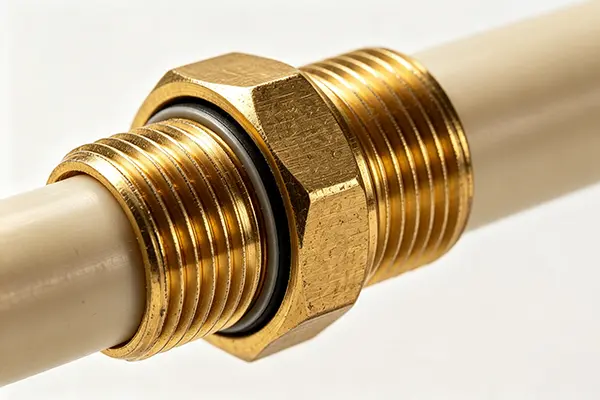
Parallel threads, commonly identified as BSPP or G threads, maintain a relatively constant diameter along the threaded section. The thread itself is generally used for mechanical engagement rather than creating the complete seal.
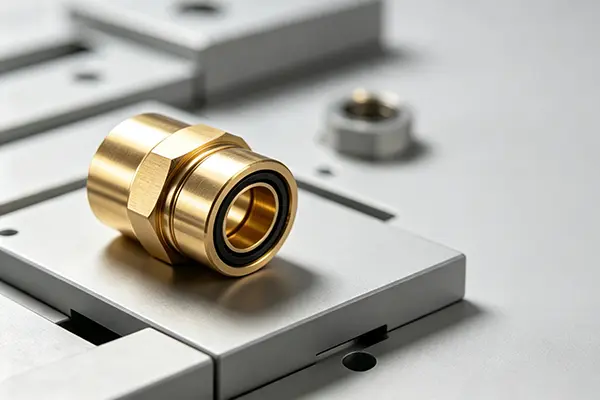
Sealing is normally achieved through a gasket, O-ring, bonded seal, sealing washer, or another designed sealing surface. Before installation, confirm whether the fitting includes a sealing face or requires a separate sealing component. Do not assume that applying thread tape alone will provide the intended seal for every parallel-thread connection.
Tapered Threads
Tapered threads, commonly identified as BSPT or R threads, gradually increase in diameter along the threaded section. The threads tighten against each other and normally require a suitable thread sealant, such as approved PTFE tape or compatible sealing compound.
Apply the sealant in the correct direction of tightening and keep it away from the first thread where possible to reduce the risk of material entering the pipeline. Avoid excessive sealant and excessive tightening force, as either may damage the fitting, restrict the passage, or cause cracking in a connected component.
Important Matching Requirements
Parallel and tapered threads should not be treated as interchangeable simply because their nominal sizes appear similar. Confirm the thread standard, male or female configuration, sealing surface, medium, pressure, and temperature before installation.
For gas systems, use only sealing materials approved for the specific gas and application. Leakage testing must be completed after installation, and local safety requirements must be followed.
Quality and Certification
Quality control covers raw-material inspection, forging, annealing, CNC machining, surface treatment, and final inspection. This process helps maintain consistent dimensions and performance across production batches.
NINGXING operates under an ISO 9001:2015 quality management system and can provide CE and RoHS certification support. Additional inspection documents and technical requirements can be confirmed before production.
For wholesale orders, buyers may also confirm material requirements, dimensional inspection points, pressure testing, surface-finish standards, packaging specifications, and batch documentation before mass production.
Installation
Clean the pipe interface before installation and check that the threads match. Confirm whether the connection uses a parallel or tapered thread and select the corresponding gasket, O-ring, PTFE tape, or sealing compound.
Start tightening by hand to prevent cross-threading, then use a suitable wrench for final tightening. Avoid excessive force, which may damage the threads, distort the sealing surface, or affect the performance of the connected pipe.
For parallel-thread connections, ensure that the gasket, O-ring, or sealing washer is correctly positioned and compressed. For tapered-thread connections, apply a compatible sealant evenly and tighten only to the required level.
After installation, perform a leakage test under suitable conditions. Gas systems must follow all applicable safety requirements and should be checked by qualified personnel where required.
Wholesale and OEM Supply
NINGXING supports wholesale orders and OEM/ODM customization for plumbing distributors, hardware wholesalers, engineering companies, and equipment manufacturers. Available options may include thread size, material, surface finish, packaging, logo marking, and other production details.
For bulk purchasing, buyers should confirm specifications, thread standards, sealing requirements, inspection procedures, packaging, delivery schedule, and certification documents before placing the order. If the product will be used in cold regions, the required operating temperature should also be confirmed as part of the technical specification.
FAQ
What media can Brass Wall Corner Three-Way Connector handle?
It is suitable for water, air, oil, gas, and other non-corrosive or mildly corrosive media within the specified pressure and temperature range. The actual application must also meet local regulations and compatibility requirements.
What is the operating temperature range?
The standard operating temperature range is -20°C to 120°C. The actual usable range may be affected by the medium, sealing material, pressure, pipe material, installation method, and environmental conditions.
How do I choose the correct size?
Check the existing connection type, thread standard, nominal size, and sealing structure. A 1/2-inch connection is common in household plumbing, but the actual interface should be verified before ordering.
What is the difference between parallel and tapered threads?
Parallel threads maintain a constant diameter and usually require a gasket, O-ring, or sealing washer to complete the seal. Tapered threads gradually increase in diameter and normally require a suitable thread sealant. The two types should not be mixed without confirming compatibility.
Can I use thread tape on every connection?
No. Thread tape is generally used for compatible tapered-thread connections, while parallel-thread connections often rely on a gasket, O-ring, or sealing washer. Always confirm the connection design and the sealing material recommended for the medium and application.
Hot Tags: Brass Wall Corner Three-Way Connector, China, Manufacturer, Supplier, Factory
Related Category
Send Inquiry
Contact Info
-
Address
No. 478, Daijia North Road, Industrial Zone, Changhe Town, Cixi City, Zhejiang Province, China
-
Tel
-
Email
Need brass rods or custom fittings? Send your drawings or samples today. ISO9001 certified, RoHS & PED compliant. Get a fast, professional quote from our expert team. Inquire now!